Blog
Your home is more than a collection of walls and furniture—it’s the physical backdrop to your daily life, influencing everything from your morning mood to your evening productivity. Yet many people approach interior design as a purely aesthetic exercise, accumulating items without intention or renovating spaces based on fleeting trends. The result? Rooms that look acceptable but feel somehow disconnected from the people who inhabit them.
Thoughtful home design bridges the gap between visual appeal and genuine functionality. It requires understanding how selective curation shapes personal identity, how color wavelengths affect your nervous system, and how historical design cycles can inform smarter renovation decisions. This foundation also includes practical knowledge—from arranging objects according to proven visual principles to navigating the building codes that ensure your beautiful space is also safe and legally compliant. Whether you’re refreshing a single room or planning a major overhaul, these interconnected concepts form the bedrock of creating interiors that truly serve your needs.
Developing Your Personal Aesthetic Through Intentional Curation
Walk into a hotel room or a staged property, and you’ll immediately sense something’s missing. The furnishings are coordinated, the color palette is harmonious, yet the space feels hollow. This phenomenon reveals a fundamental truth about interior design: generic styling prioritizes visual coherence over personal resonance, and our nervous systems detect the difference.
Why Generic Styling Falls Short
Research in environmental psychology demonstrates that spaces filled with impersonal objects can subtly increase stress levels and reduce feelings of control over one’s environment. When everything in your home comes from the same catalog season or follows a single designer’s vision, you’re essentially living in someone else’s aesthetic worldview. The space may photograph beautifully, but it doesn’t tell your story or reflect the experiences that have shaped you.
Building a Collection That Reflects You
Meaningful curation starts with a simple but powerful question: “Does this object represent a memory, a value, or an aspiration that matters to me?” This methodology naturally creates depth by combining elements from different eras and origins. Consider these approaches:
- Balance acquisition pace with reflection time – allowing breathing room between purchases prevents impulsive accumulation
- Mix inherited pieces with contemporary finds to create visual timelines within rooms
- Prioritize craftsmanship and materials over trend alignment
- Keep a small collection of rotating items to refresh spaces without full renovations
A thoughtfully curated room might pair a mid-century armchair inherited from a grandparent with a contemporary ceramic piece from a local artisan, united by a shared color tone or material quality. This approach avoids the common pitfall of trying to achieve “perfection” through matching sets, instead embracing the visual interest that comes from intentional diversity.
Understanding Design Trends: What Endures and What Fades
Design trends operate on predictable cycles, much like fashion or music. Recognizing these patterns can save you from costly renovation regrets and help you distinguish between elements worth investing in and those better enjoyed temporarily through accessories.
The Cyclical Nature of Design Movements
Historical analysis reveals that interior design trends typically cycle through roughly twenty to thirty-year periods. Elements dismissed as dated in one generation often re-emerge as “fresh” discoveries for the next. The farmhouse aesthetic, minimalist Scandinavian design, maximalist eclecticism—each has experienced multiple waves of popularity. Understanding this rhythm helps you make strategic choices: architectural investments should transcend trends, while surface treatments can afford to be more experimental.
Distinguishing Timeless Elements from Temporary Trends
Certain design principles remain constant across style movements because they respond to fundamental human needs. Natural light, human-scale proportions, and quality materials never truly go out of style. When planning renovations, ask yourself:
- Will this choice improve functionality regardless of aesthetic preferences?
- Does this element respond to the architecture of the building itself?
- Can I imagine this working with completely different furnishings in a decade?
Future-proofing your interiors means investing in flexible infrastructure—electrical capacity for changing technology needs, adaptable layouts that can serve multiple purposes, and durable finishes that age gracefully. Integrate historical elements like crown molding or original hardwood not because they’re “in,” but because they represent quality construction that has already proven its longevity.
The Art of Visual Arrangement in Interior Spaces
Even the most carefully selected objects can create visual chaos without thoughtful arrangement. The difference between a composed room and a cluttered one often comes down to a few fundamental principles that professional designers apply instinctively.
Fundamental Principles of Display
The rule of three serves as a reliable starting point for creating visual interest: arrangements of three objects (varying in height, texture, or size) naturally please the human eye more than pairs or even numbers. This principle works across scales—from tabletop vignettes to furniture groupings within a room. Select a focal point for each space, whether architectural (a fireplace, a window view) or created (a statement piece of art, a distinctive furniture item), and arrange other elements to support rather than compete with it.
Creating Balance Through Negative Space
Perhaps the most overlooked aspect of arrangement is what you choose not to fill. Negative space—the empty areas around and between objects—gives the eye places to rest and allows individual pieces to be fully appreciated. A gallery wall loses impact when frames touch edge to edge; a bookshelf becomes more interesting when some sections remain open. This principle extends to furniture placement: leaving breathing room between pieces makes rooms feel larger and more intentional.
Seasonal styling offers a low-commitment way to practice these principles. Rotating accessories with the changing seasons keeps spaces feeling fresh while allowing you to experiment with different arrangements and color palettes without permanent changes.
How Color Influences Your Daily Experience
Color operates on multiple levels simultaneously—as cultural symbol, personal association, and biological stimulus. Understanding each dimension helps you make choices that support rather than undermine your well-being and productivity.
The Psychology Behind Color Choices
Different wavelengths of light literally affect your nervous system in measurable ways. Blue wavelengths, for instance, suppress melatonin production and increase alertness, making them strategically useful in home offices but potentially counterproductive in bedrooms. Warm tones (reds, oranges, yellows) tend to energize and stimulate appetite, while cool tones (blues, greens, purples) generally calm and focus attention. These aren’t merely cultural associations—they reflect how our eyes and brains process different parts of the visible spectrum.
Practical Application of Color Theory
Professional designers typically work with the 60-30-10 ratio: roughly 60% of a room in a dominant color (usually walls and large furniture), 30% in a secondary color (upholstery, curtains, rugs), and 10% in accent tones (pillows, artwork, accessories). This formula prevents any single color from overwhelming the space while maintaining visual coherence.
Consider these practical guidelines:
- Warm versus cool: North-facing rooms benefit from warm tones to compensate for cooler natural light; south-facing rooms can handle cooler colors without feeling cold
- Saturation awareness: Highly saturated colors create visual energy but can fatigue the eye over time—reserve them for spaces you occupy briefly or use them in small doses
- Strategic repainting: Reassess color choices when room function changes, lighting is modified, or adjacent spaces are updated to maintain visual flow
Remember that color appears differently depending on surrounding hues, lighting conditions, and even the time of day. Testing large swatches on multiple walls and observing them over several days prevents costly mistakes.
Planning and Executing Major Home Renovations
Large-scale renovations represent significant investments of money, time, and mental energy. Strategic planning transforms these projects from overwhelming ordeals into manageable processes with predictable outcomes.
Strategic Preparation and Budget Management
Successful renovation budget allocation follows a different logic than simple cost-cutting. The conventional wisdom suggests allocating funds proportionally to impact: investing more in permanent infrastructure (plumbing, electrical, structural modifications) and less in surface finishes you can upgrade later. Experienced renovators typically budget an additional 15-20% contingency for unexpected discoveries—that plumbing behind the walls is rarely in perfect condition, and older homes often reveal surprises once demolition begins.
Future-proofing infrastructure during major overhauls saves money long-term. Running conduit for future electrical needs, oversizing HVAC capacity slightly, and installing blocking in walls for potential future grab bars costs relatively little during construction but becomes exponentially more expensive to add later.
Working with Professionals and Managing Logistics
Contractor selection deserves more attention than simply choosing the lowest bid. A qualified professional should provide:
- Detailed written estimates breaking down materials and labor separately
- Proof of current licensing and adequate insurance coverage
- References from recent projects of similar scope
- Clear communication about timeline and change-order procedures
Permit navigation often feels bureaucratic, but these requirements exist to protect your safety and property value. Work performed without proper permits can complicate future sales and insurance claims. Temporary living logistics require early planning—whether moving out entirely or creating livable zones within a construction site, establish clear boundaries and realistic expectations about dust, noise, and access disruptions.
Navigating Building Codes and Safety Requirements
Building codes represent accumulated wisdom about what keeps structures safe and functional. While regulations vary by jurisdiction, certain principles appear consistently because they address fundamental safety concerns.
Electrical code safety governs everything from outlet spacing to circuit capacity, preventing fire hazards and ensuring systems can handle modern electrical demands. Egress requirements mandate that bedrooms and basements have adequate emergency escape routes—typically windows of minimum size or secondary doors. Plumbing venting rules ensure proper drainage and prevent dangerous sewer gas accumulation. Staircase geometry codes standardize riser height and tread depth because inconsistent dimensions cause falls.
Understanding grandfather clauses proves particularly valuable in older homes. These provisions often allow existing conditions that don’t meet current codes to remain unchanged—until you modify that system. Once you open a wall or alter a staircase, you typically must bring everything in that area up to current standards. This knowledge helps you make informed decisions about which projects to tackle together and which to leave undisturbed.
Working with codes rather than against them protects both your immediate safety and your home’s long-term value. Inspectors aren’t adversaries—they’re partners in ensuring your beautiful renovation is also structurally sound and legally compliant.
Creating a home that truly serves your needs requires balancing aesthetic vision with practical reality, personal meaning with functional requirements, and current trends with timeless principles. The most successful interiors emerge not from following a single expert’s advice, but from understanding these foundational concepts and applying them thoughtfully to your unique situation. Whether you’re selecting a single meaningful object, planning a color refresh, or embarking on a major structural renovation, these interconnected principles provide a framework for making decisions you’ll appreciate for years to come.
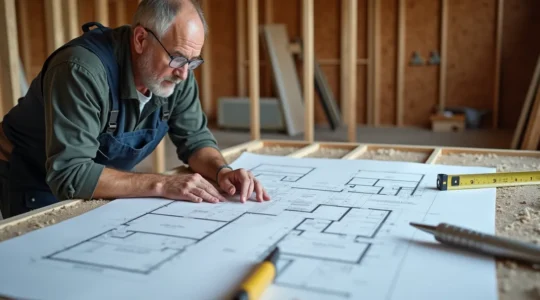
Building Standards 101: What DIY Enthusiasts Must Know to Avoid Fines?
In summary: Building codes are not suggestions; they are legal requirements based on physics and safety, and ignoring them creates significant liability. Common DIY projects like adding outlets, finishing a basement, or building stairs have strict, non-negotiable rules regarding spacing,…
Read more
The Foundations of Modern Renovation: Sequence Your Project to Save 20% on Labor
The key to saving 20% on renovation labor isn’t working faster; it’s making smarter, front-loaded decisions about contracts, infrastructure, and logistics before the first wall comes down. Prioritizing “invisible infrastructure” like electrical and plumbing prevents costly rework and future-proofs your…
Read more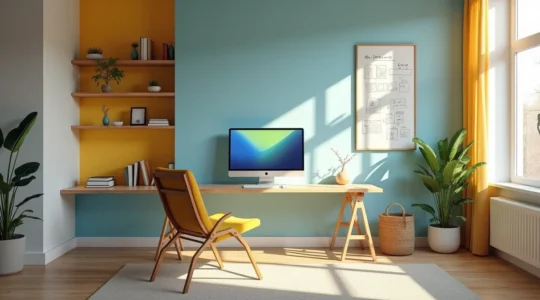
How Does Color Psychology Influence Productivity in Home Office Spaces?
Contrary to popular belief, simply painting your office blue won’t magically boost productivity; success lies in using color as a strategic tool to manage your brain’s cognitive load and neurochemical responses. Your environment’s colors directly influence focus and creativity by…
Read more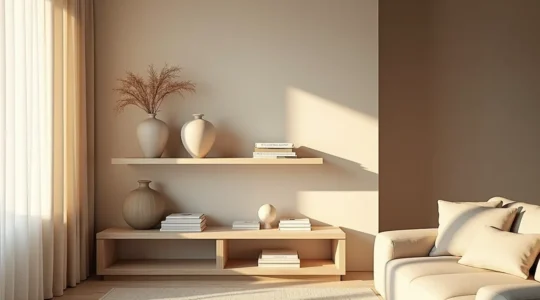
How to Master Curated Decor and Style Your Home Like a Professional
In summary: Creating a curated look is not about buying more things, but understanding the principles of visual storytelling and balance. Fundamental rules like the “Rule of Three” and “60-30-10” are starting points, not rigid laws. Their power lies in…
Read more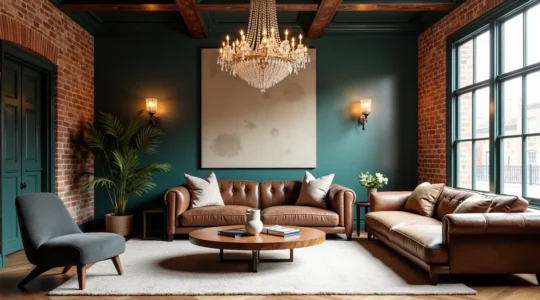
Which Interior Design Eras Influence Modern Home Value the Most?
The highest long-term home value comes not from mimicking a specific era, but from adopting the historical principles of authenticity, community-focused layouts, and structural honesty. Timeless materials (hardwood, brick) and structural features consistently outperform trendy finishes in 10-year value retention….
Read more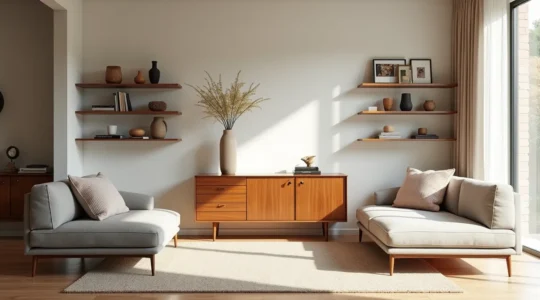
How to Create a Curated Modern Living Space That Reflects Your Personality?
The secret to a home with personality isn’t accumulating more items; it’s applying a deliberate curation framework to create a cohesive narrative. Following fleeting trends often results in a space that feels impersonal and dated within a few years. A…
Read more