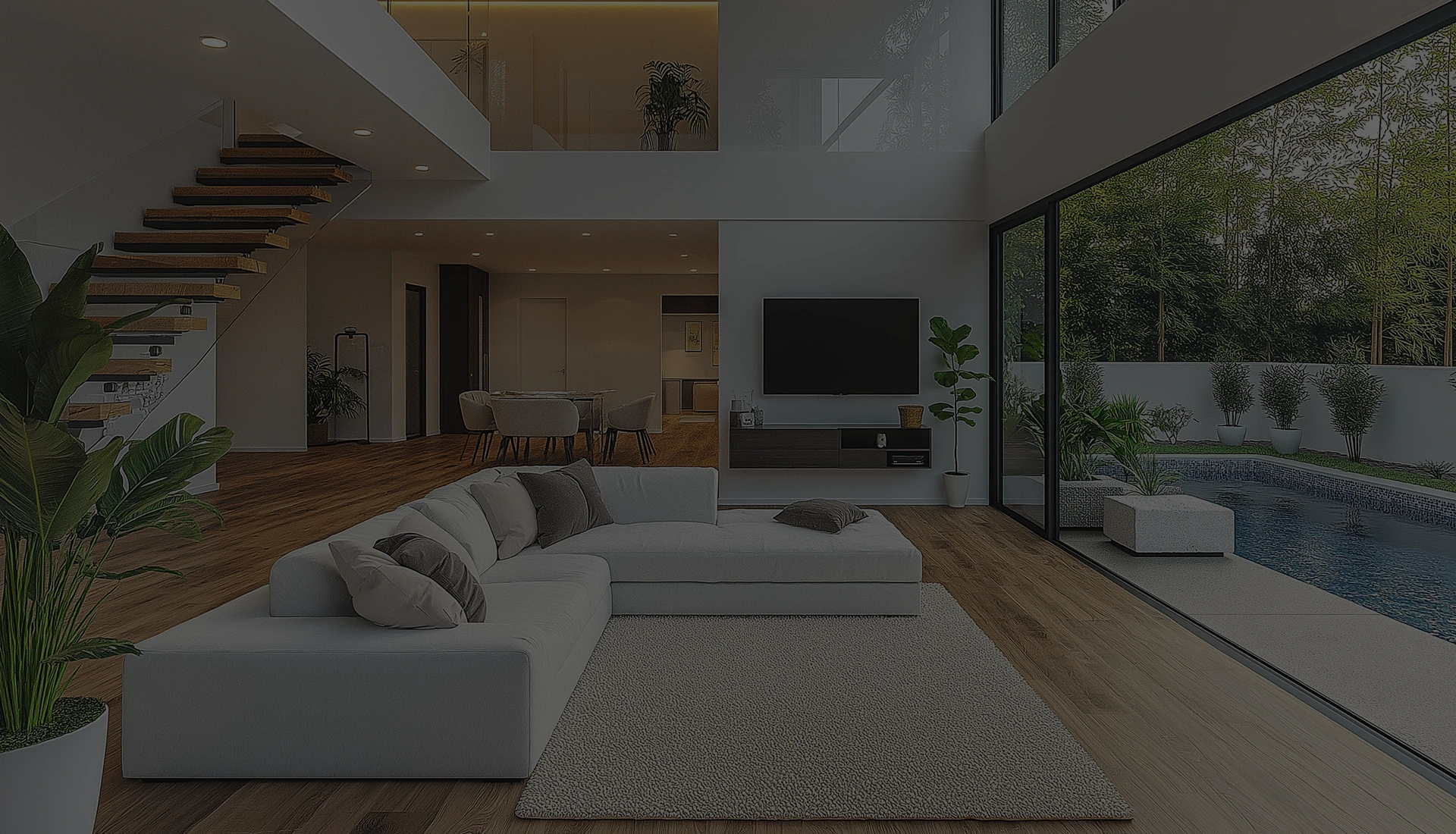
Optimizing interior layouts and flow

Zoning strategies
Open-plan areas benefit significantly from visual dividers like patterned rugs, textured flooring, or pendant lighting to define specific living zones without erecting walls.

Lighting fixtures and integration
Strategic placement of wall mirrors and reflective decor amplifies natural sunlight, making compact rooms appear significantly more spacious and visually welcoming.

Color psychology
Neutral base palettes combined with vibrant textile accents influence the ambient mood, creating calm sanctuaries or stimulating energetic social spaces.
Selecting functional furniture pieces
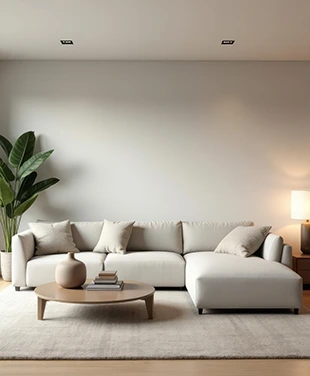
Modular seating
Velvet sectional sofas offer flexible arrangements, adapting easily to different room dimensions while maximizing seating capacity for entertaining large gatherings.

Storage solutions
Multifunctional ottomans and woven baskets reduce visual clutter, maintaining clean lines in minimalist scandi or modern industrial interior schemes.

Material durability
High-quality linen upholstery and oak frames ensure longevity, withstanding daily wear while retaining their timeless visual elegance over time.
Essential construction protocols
Successful renovation projects begin with precise structural assessments by engineers. Professionals analyze load-bearing walls and foundation stability before remodeling to prevent compromise. Upgrading electrical wiring and HVAC systems during this phase prevents future repairs. Selecting sustainable materials that align with compliance codes ensures safety, while modern framing allows seamless home extensions.


Landscaping and exterior design
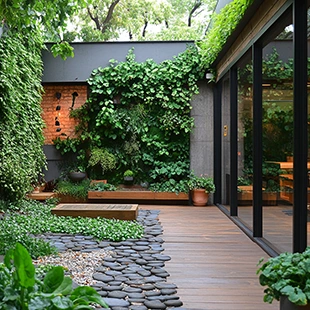
Vertical gardens
Living walls and hanging planters utilize vertical space to grow herbs, improving air quality in compact urban courtyards.
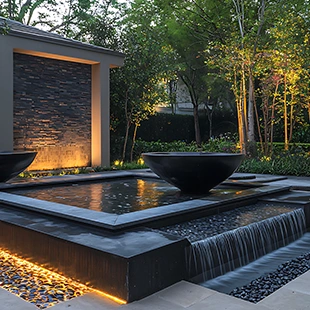
Water features
Recirculating stone fountains introduce soothing sounds, masking urban noise and creating a tranquil focal point for meditation.
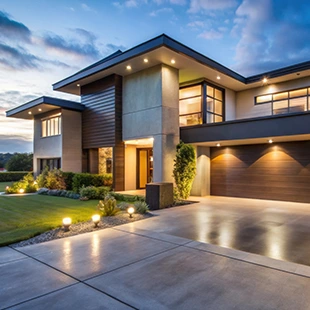
Exterior lighting
Solar-powered LED path lights ensure safety along walkways while accentuating architectural features and terrace textures after sunset.