Decorative Objects & Accessories
Decorative objects and accessories transform empty rooms into personalized sanctuaries. Far beyond mere ornamentation, these elements serve as visual anchors that guide the eye, establish mood, and reflect individual taste. Whether you’re working with textiles that add softness, mirrors that amplify light, or natural materials that bring the outdoors in, understanding how these pieces interact with your space is essential to creating environments that feel intentional rather than cluttered.
The challenge many face isn’t finding decorative items—it’s knowing how to select, combine, and position them effectively. A beautiful vase placed poorly can disrupt visual flow, while an inexpensive textile strategically positioned can elevate an entire room. This article explores the fundamental principles that govern successful decorative styling, from the physics of light reflection to the psychology of pattern mixing, giving you the knowledge to make confident choices that enhance rather than overwhelm your living spaces.
Creating Visual Anchors: The Power of Decorative Objects
Every room needs focal points that draw the eye and create visual stability. Decorative objects serve this anchoring function by providing visual weight—a concept that goes beyond physical mass to encompass color intensity, pattern complexity, and textural contrast. A large abstract sculpture carries obvious visual weight, but so does a cluster of smaller items grouped intentionally on a console table.
Understanding visual weight helps you distribute decorative elements throughout a space without creating imbalance. Dark colors, intricate patterns, and rough textures all add weight, while light tones, simple designs, and smooth surfaces recede visually. Think of your room as a see-saw: placing all your heavy decorative pieces on one side creates visual tension that feels uncomfortable, even if you can’t immediately identify why.
The Role of Shape in Perception
Shape influences how we perceive decorative objects and their impact on a room’s character. Circular and curved forms promote feelings of harmony and flow, making them ideal for spaces where you want to encourage relaxation. Angular and geometric shapes convey order and modernity, providing structure to contemporary interiors. Mixing shapes creates visual interest—a round mirror above a rectangular console, spherical vases on angular shelving—but requires careful consideration to avoid chaos.
Sizing Without Mistakes
Scale errors rank among the most common decorative missteps. Oversized objects in small rooms create oppression, while undersized accessories in large spaces appear insignificant. A practical approach: photograph your space and sketch potential object placements at different scales. For wall art and mirrors, create paper templates matching your desired dimensions and temporarily mount them to visualize proportions before purchasing. Remember that groupings can achieve the visual impact of larger single pieces when individual items feel too small.
Light-Enhancing Accessories: Mirrors and Reflective Surfaces
Few decorative elements offer the transformative power of reflective surfaces. Mirrors and metallic accessories don’t just beautify—they actively reshape spatial perception by bouncing light and creating the illusion of expanded square footage. Understanding the physics of light reflection turns these pieces from simple decorations into architectural tools.
Light reflects at angles equal to its approach, meaning strategic mirror placement can redirect natural light from windows into darker corners. Position a mirror perpendicular to a window rather than directly opposite—this captures light without creating glare. For rooms lacking natural light, reflective decorative objects near artificial light sources amplify illumination. Metallic bowls, glass vases, and lacquered trays all contribute subtle light-bouncing effects that brighten spaces without electricity costs.
Navigating Reflective Challenges
Unwanted reflections plague even carefully designed spaces. Mirrors positioned to reflect cluttered areas, unattractive architectural features, or direct light sources create visual pollution. Before permanently installing reflective décor, spend time observing what appears in the reflection from various angles and times of day. The goal is to reflect beautiful views or light sources, not the mess on your desk or the glare from overhead fixtures.
Large reflective surfaces require special mounting considerations. Improperly secured heavy mirrors pose safety risks. Use appropriate wall anchors rated for the mirror’s weight, and distribute mounting points across the frame rather than relying on a single hanging wire. For mirrors exceeding twenty pounds, professional installation often proves worthwhile to ensure both safety and precise positioning.
Textiles and Patterns: Balancing Bold and Neutral
Textile accessories—throw pillows, blankets, table runners, and area rugs—offer the lowest commitment route to dramatic updates. Unlike furniture or wall color, fabrics can be swapped seasonally or whenever inspiration strikes, making them ideal for experimentation. The challenge lies in mixing patterns and colors without creating visual chaos.
Successful pattern mixing follows a simple hierarchy: vary the scale. Pair large-scale patterns with medium and small prints rather than combining patterns of similar size, which compete for attention. A large floral pillow pairs beautifully with small geometric prints and solid textures. Maintain a consistent color palette across patterns—even wildly different designs coexist peacefully when sharing three to four key colors.
Material Selection for Vibrancy and Longevity
Fabric choice impacts both aesthetic appeal and practical durability. Natural fibers like linen and cotton offer breathability and casual elegance but may fade with sunlight exposure. Synthetic blends resist staining and color loss, making them practical for high-traffic areas or homes with children and pets. For vibrant colors that remain saturated, look for solution-dyed fabrics where pigment permeates the fiber rather than coating the surface.
Color bleeding poses particular concern with deeply saturated textiles. Before mixing new vibrant fabrics with lighter pieces, test for colorfastness by dampening a hidden corner and pressing it against white paper. If dye transfers, wash the item separately until water runs clear before incorporating it into your décor scheme.
The Need for Contrast
Neutral spaces benefit enormously from contrast—not necessarily color contrast, but textural and tonal variation. In monochromatic rooms, introduce decorative textiles with varied weaves: smooth velvet against nubby linen, sleek silk alongside rough jute. Even within a single color family, incorporating pieces several shades lighter or darker than your dominant tone prevents the flat, washed-out appearance that plagues overly coordinated spaces. Think of contrast as the seasoning that prevents blandness—your space needs just enough to activate visual interest.
Natural Elements: Texture, Sustainability, and Organic Appeal
Natural decorative elements—woven baskets, wooden bowls, stone objects, and dried botanicals—introduce organic texture that softens contemporary interiors and grounds traditional spaces. Beyond aesthetic appeal, these pieces align with growing interest in sustainable decoration that prioritizes renewable materials and traditional craftsmanship over mass-produced plastics.
Grouping natural objects creates vignettes that feel collected rather than purchased. Arrange items in odd numbers (three or five pieces work particularly well) with varying heights and textures. A tall woven basket beside a medium wooden bowl and small stone sculpture creates visual rhythm. Leave breathing room between objects—overcrowding diminishes impact and makes displays appear cluttered rather than curated.
Longevity and Maintenance Considerations
Natural materials require different care than synthetic alternatives. Wood objects benefit from occasional conditioning with appropriate oils to prevent drying and cracking. Woven natural fibers may harbor dust that regular vacuuming with upholstery attachments addresses. Most importantly, monitor for pest and mold risks, particularly with organic materials like dried grasses or untreated wood in humid climates.
Inspect natural decorative pieces regularly for signs of insect activity—small holes, fine dust, or visible damage. Store seasonal natural décor in sealed containers with cedar blocks or lavender sachets that deter pests without harsh chemicals. For mold prevention, ensure adequate air circulation around natural objects and avoid placing them against exterior walls where condensation occurs.
Strategic Placement: From Feng Shui to Practical Display
Where you position decorative objects matters as much as what you choose. Placement strategies range from the philosophical—feng shui principles that govern energy flow—to the eminently practical considerations of sight lines and traffic patterns. Both approaches offer valuable insights for creating harmonious interiors.
Feng shui placement emphasizes balance and intentionality. Avoid positioning decorative objects where they block pathways or create obstacles, as this disrupts chi (energy flow). Mirrors should reflect beautiful views or meaningful objects rather than doors or windows, which symbolically deflect beneficial energy. Pairs of objects represent partnership and balance, while groupings of nine symbolize completeness. Whether you embrace feng shui philosophically or simply appreciate its common-sense emphasis on uncluttered flow, these principles create more comfortable spaces.
Styling Surfaces Large and Small
Large surfaces—dining tables, console tables, coffee tables—intimidate many decorators. The key lies in creating layers and leaving negative space. Start with a foundational piece (a tray, runner, or large book), add height variation with objects of different sizes, and include one organic element for softness. Most importantly, leave at least one-third of the surface empty. This breathing room prevents the cluttered appearance that diminishes even beautiful objects.
For seasonal rotation, invest in storage solutions that keep off-season decorative pieces protected and organized. Clear bins allow you to see contents without opening, while labeled boxes help you quickly locate specific items when refreshing your décor. Rotating accessories prevents visual fatigue and gives favorite pieces renewed impact when they reappear after an absence.
Mastering decorative objects and accessories transforms your relationship with your home. These elements aren’t afterthoughts added once the “real” design is complete—they’re integral components that personalize spaces and adapt your environment to changing needs and seasons. By understanding visual weight, harnessing light, mixing patterns confidently, incorporating natural textures, and placing objects strategically, you develop an eye for composition that makes decorating feel less like guesswork and more like creative expression. Start with one principle, experiment in one room, and gradually expand your confidence as you discover which approaches resonate with your personal aesthetic.
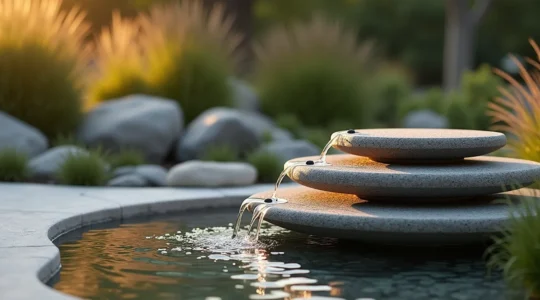
Recirculating Stone Fountains: How to Maintain Water Clarity Without Chemicals?
Achieving pristine, chemical-free fountain water isn’t about constant cleaning; it’s about creating a balanced aquatic micro-ecosystem. Proactive biological methods like barley straw consistently outperform reactive sterilization for long-term health. System integrity—from pump acoustics to winter protection—directly impacts water quality and…
Read more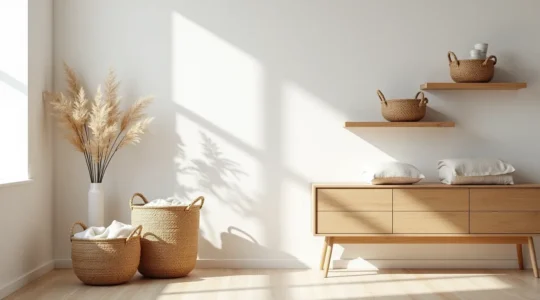
How to Style Woven Baskets for Storage Without Making Your Home Look Cluttered?
The common belief is that woven baskets are for hiding clutter, but this often leads to more disarray. The real secret is to treat them as tools for “organic containment.” Group baskets using design principles like ‘anchor and accent’ to…
Read more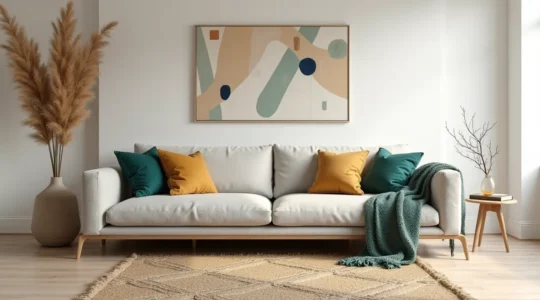
How to Introduce Vibrant Textile Accents into a Neutral Room Without It Looking Cheap?
In summary: Transform a bland, neutral room by focusing on a strategic “textural dialogue” between fabrics, not just adding random pops of color. Confidently mix patterns by using a consistent color palette and varying the scale of your prints (e.g.,…
Read more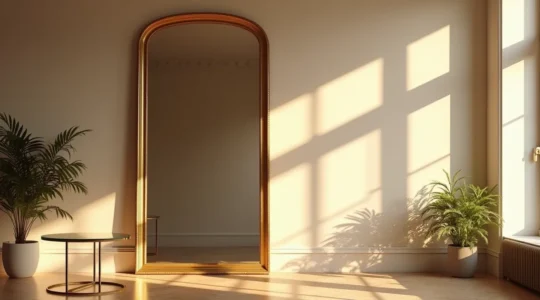
How to Brighten Dark Corners with Reflective Decor—No Electricity Needed
Contrary to popular belief, placing a mirror directly opposite a window is often the wrong move for brightening a room. True brightness comes from understanding how light reflects at different angles and how materials like brass or chrome interact with…
Read more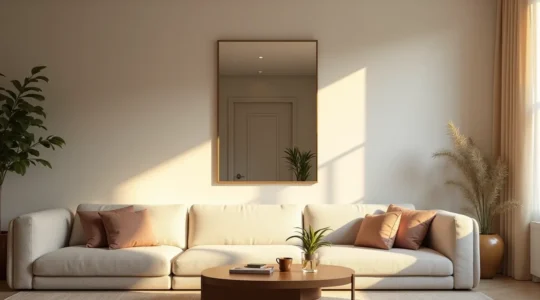
How to Hang Wall Mirrors to Double the Natural Light in North-Facing Rooms?
In summary: Forget placing mirrors directly opposite windows; placing them on adjacent walls is key for diffusing cool, northern light. Use specialized drywall anchors like toggle bolts or French cleats to securely hang heavy mirrors without needing a stud. Choose…
Read more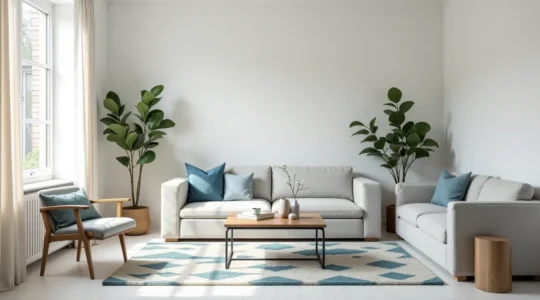
How to Choose Patterned Rugs That Won’t Overwhelm a Small Living Room
The secret to using patterned rugs in small spaces isn’t avoiding boldness, but mastering the principles of visual density and scale. Large, open patterns can make a room feel bigger, while small, dense patterns often create visual clutter. Success lies…
Read more