Eco-friendly Housing & Energy
The movement toward eco-friendly housing represents far more than a passing trend—it’s a fundamental shift in how we design, build, and inhabit our living spaces. Whether you’re planning a new construction project, considering a major renovation, or simply looking to reduce your home’s environmental footprint, understanding the interconnected systems of sustainable housing can feel overwhelming. From the materials hidden within your walls to the energy flowing through your electrical panel, every decision carries implications for both planetary health and your personal well-being.
This comprehensive resource breaks down the essential pillars of eco-friendly housing into actionable knowledge. We’ll explore how building materials affect indoor air quality, why certain energy retrofits deliver remarkable returns on investment, how smart technology can optimize resource consumption, what solar power truly requires, and how the most ambitious homeowners are pushing beyond conventional sustainability targets. By understanding these core concepts, you’ll gain the confidence to make informed decisions that align with your environmental values, health priorities, and financial goals.
Building Materials That Prioritize Health and Planet
The foundation of any eco-friendly home begins with thoughtful material selection. Modern construction has increasingly recognized that what we build with matters just as much as what we build. This awareness stems from growing evidence about indoor air quality and the environmental burden of manufacturing, transporting, and eventually disposing of building products.
Indoor Air Quality and Chemical Concerns
Volatile organic compounds (VOCs) represent one of the most significant health considerations in residential construction. These chemicals off-gas from conventional paints, adhesives, carpeting, and composite wood products, potentially affecting respiratory health and overall well-being for years after installation. Low-VOC and zero-VOC alternatives have become widely available across nearly every product category, from wall finishes to cabinetry. When evaluating flooring options, materials like natural linoleum, cork, bamboo, and responsibly harvested hardwood offer durability without the chemical load associated with vinyl or laminate products that rely on formaldehyde-based binders.
Circular Economy Thinking
Beyond immediate health impacts, sustainable material selection considers the entire lifecycle. Products incorporating recycled content—such as reclaimed wood, recycled metal roofing, or insulation made from recycled denim or cellulose—reduce demand for virgin resources and divert waste from landfills. Sourcing materials locally minimizes transportation emissions while supporting regional economies and often ensuring fresher products with shorter supply chains. Equally important is considering end-of-life disposal: can a material be recycled, composted, or safely returned to the earth, or will it persist in a landfill for centuries? This circular thinking transforms construction from a linear “take-make-waste” model into a regenerative cycle.
Energy Efficiency Through Strategic Retrofitting
While new construction offers opportunities to integrate efficiency from the ground up, the vast majority of homes standing today were built with minimal attention to energy performance. The good news? Retrofitting existing homes can deliver dramatic improvements in comfort, health, and operating costs.
Understanding Performance and Returns
Deep energy retrofits—comprehensive upgrades addressing multiple building systems simultaneously—often yield surprising returns on investment through reduced utility bills, increased comfort, and enhanced property value. Attic insulation typically ranks among the most cost-effective improvements, as heat naturally rises and uninsulated attic spaces allow conditioned air to escape freely. Meanwhile, addressing air leakage through systematic sealing of gaps, cracks, and penetrations can reduce heating and cooling loads by 15-30% in many homes. These improvements work synergistically: insulation slows heat transfer, while air sealing prevents the movement of air that carries heat with it.
Technical Considerations for the Building Envelope
The building envelope—the barrier between conditioned interior space and the outside environment—requires careful attention to both insulation and moisture management. Understanding R-value realities helps homeowners move beyond marketing claims to assess actual thermal performance, recognizing that installation quality often matters more than the theoretical rating. Different insulation materials offer various benefits: spray foam provides both insulation and air sealing while delivering soundproofing benefits, though considerations about health and safety during application deserve attention. Retrofitting existing walls presents unique challenges, as accessing cavity spaces without major demolition requires specialized techniques like dense-pack cellulose or injection foam.
Beyond the Envelope
Water heating represents another major energy consumer in most homes, accounting for roughly 15-20% of residential energy use. Heat pump water heaters, solar thermal systems, and high-efficiency tankless units offer pathways to dramatic reductions. Additionally, addressing phantom energy loads—the power consumed by devices in standby mode—can eliminate 5-10% of electrical consumption through smart power strips and mindful device management. Government incentives, tax credits, and utility rebate programs frequently offset a substantial portion of upgrade costs, making formerly expensive improvements financially accessible to more homeowners.
Smart Home Technology for Sustainable Living
The integration of intelligent systems into residential design has transformed how we manage energy, water, and comfort. Rather than requiring constant manual adjustment, smart technology automates optimization based on occupancy patterns, weather conditions, and user preferences.
Automated Climate and Lighting Control
Learning thermostats represent the most visible face of home automation, using algorithms to detect patterns in your schedule and preferences while making micro-adjustments that maintain comfort while minimizing energy waste. These devices typically reduce heating and cooling costs by 10-15% through more precise control than manual programming could achieve. Automated shading systems coordinate with solar position and indoor temperature, closing during peak heat hours to reduce cooling loads and opening to harvest passive solar warmth when beneficial. Lighting scenes designed for wellness can adjust color temperature throughout the day—cooler, energizing light during morning hours, warmer, relaxing tones in the evening—while motion sensors ensure lights operate only when spaces are occupied.
Water Conservation and System Integration
Leak detection systems employ sensors throughout plumbing infrastructure to identify problems in their earliest stages, preventing the water waste, structural damage, and mold growth that undetected leaks cause. Integration protocols allowing different smart devices to communicate—platforms like Matter, Thread, or manufacturer-specific ecosystems—determine whether your home operates as a collection of isolated gadgets or a coordinated system. The convenience and control these technologies provide often motivates adoption initially, but their contribution to resource efficiency delivers lasting environmental benefits.
Solar Power: Generating Your Own Clean Energy
Few eco-friendly home improvements capture the imagination quite like solar panels. The prospect of generating your own electricity offers a compelling combination of environmental responsibility, energy independence, and long-term financial savings.
System Design and Performance Factors
Roof orientation and tilt dramatically influence solar production, with south-facing arrays in the northern hemisphere typically delivering optimal annual output. However, modern system design can accommodate less-than-ideal orientations through strategic panel placement and appropriate system sizing. Inverter technology—the equipment that converts solar panels’ direct current (DC) into the alternating current (AC) your home uses—has evolved significantly, with microinverters and power optimizers now allowing individual panel monitoring and reducing the impact of shading on overall system performance.
Economics and Practical Considerations
Grid-tie economics vary substantially based on local utility rates, net metering policies, and available incentives, making some locations far more favorable for solar investment than others. Understanding these financial frameworks helps set realistic expectations for payback periods, which typically range from 5-15 years depending on circumstances. Common maintenance myths suggest panels require frequent cleaning or regular servicing, when in reality most systems operate reliably for decades with minimal intervention beyond occasional debris removal. Roof condition prerequisites deserve attention before installation—mounting panels on a roof nearing the end of its lifespan creates the costly prospect of array removal and reinstallation during eventual re-roofing.
Advanced Strategies for Net-Zero and Beyond
While basic efficiency improvements and renewable energy generation move homes toward sustainability, the most ambitious projects push beyond conventional targets to achieve net-zero energy consumption or even net-positive performance where homes produce more energy than they consume.
Integrated Systems Thinking
Passive heat harvesting through strategic window placement, thermal mass, and solar orientation can provide substantial heating without mechanical systems. Water recycling systems—particularly greywater reuse for irrigation or toilet flushing—dramatically reduce consumption while easing the burden on municipal infrastructure. Achieving exceptional airtightness standards like those required by Passive House certification demands meticulous attention to detail during construction but delivers unprecedented efficiency and comfort. These advanced homes often incorporate heat recovery ventilators that capture warmth from exhaust air to preheat incoming fresh air, maintaining excellent indoor air quality without energy penalty.
Lifestyle and Value Considerations
Reaching these performance levels sometimes requires lifestyle adaptation—being mindful of energy and water consumption, maintaining systems properly, and embracing seasonal temperature variations rather than demanding constant 70-degree comfort. However, occupants of high-performance homes frequently report that these adjustments feel effortless once incorporated into daily routines. The resale value of eco-homes continues strengthening as energy costs rise and environmental awareness grows, with studies indicating green-certified homes command price premiums while spending less time on the market. As building codes gradually tighten and sustainability becomes standard rather than exceptional, today’s cutting-edge eco-home increasingly represents tomorrow’s baseline expectation.
Creating an eco-friendly home involves countless decisions spanning materials, systems, and technologies. Yet this complexity shouldn’t paralyze action. Begin with the improvements offering the greatest impact for your specific situation—perhaps air sealing and insulation, maybe solar panels, or possibly smart systems that optimize what you already have. Each step builds knowledge, confidence, and tangible results that make the next upgrade easier to envision and execute.
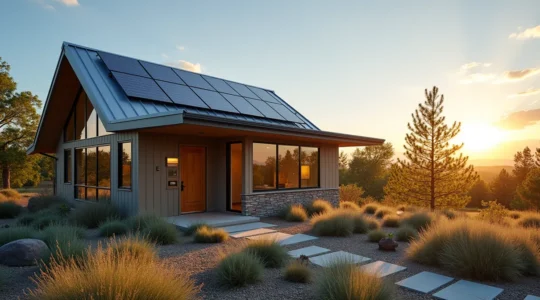
Energy-Positive Eco-Housing: How to Generate More Power Than You Consume?
Achieving an energy-positive home is not about adding more solar panels; it’s an exercise in holistic systems engineering where the building itself becomes an integrated living machine. Success hinges on radical airtightness and a high-performance thermal envelope to minimize energy…
Read more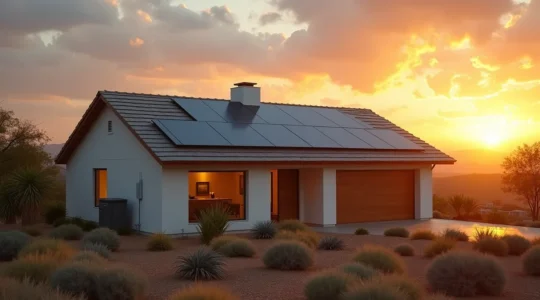
Solar Panels for Residential Roofs: Is Battery Storage Necessary for ROI?
A solar battery’s necessity for ROI is no longer about backup power; it’s a financial calculation dictated by grid policy and consumption timing. Under modern net metering policies like California’s NEM 3.0, self-consuming your solar power is vastly more valuable…
Read more
How Smart Automation Can Cut Your Heating Bill by 15%
True energy savings come not from buying individual smart devices, but from engineering a cohesive system that actively manages your home’s thermal dynamics. Your smart thermostat requires a calibration period to build a predictive model of your home’s heat loss…
Read more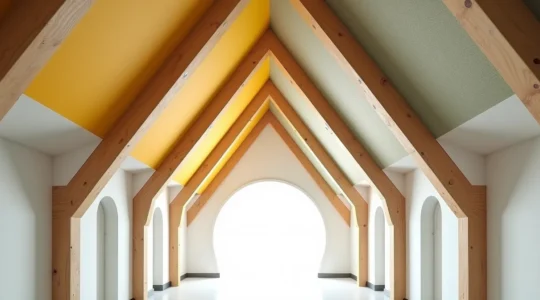
Spray Foam vs. Mineral Wool: Which Insulation System Is Best for Cathedral Ceilings?
The right choice for your cathedral ceiling is a building science decision, not just a material comparison. It’s about controlling air, vapor, and heat as a complete system. Spray foam creates a monolithic air and vapor barrier, maximizing air tightness…
Read more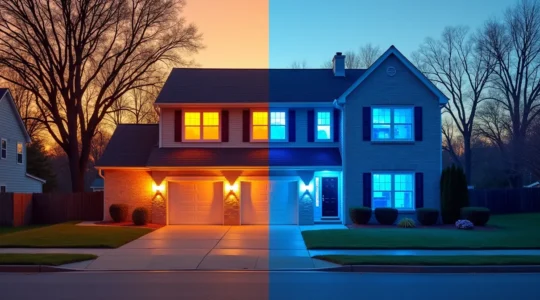
What Are the Most Cost-Effective Energy Efficiency Upgrades for 1980s Homes?
Prioritizing upgrades based on diagnostic testing, not guesswork, yields the highest return on investment for 1980s homes. Attic insulation and comprehensive air sealing offer the fastest payback, often under 3 years, by directly addressing the largest sources of heat loss….
Read more
Sustainable Materials: How to Choose Non-Toxic Finishes for a Healthy Nursery?
Relying on ‘low-VOC’ labels is not enough to guarantee a non-toxic nursery; many contain hidden chemical triggers that can impact your baby’s health. Paints marketed as ‘low-VOC’ can still release harmful compounds like propylene glycol ethers (PGEs), which are linked…
Read more