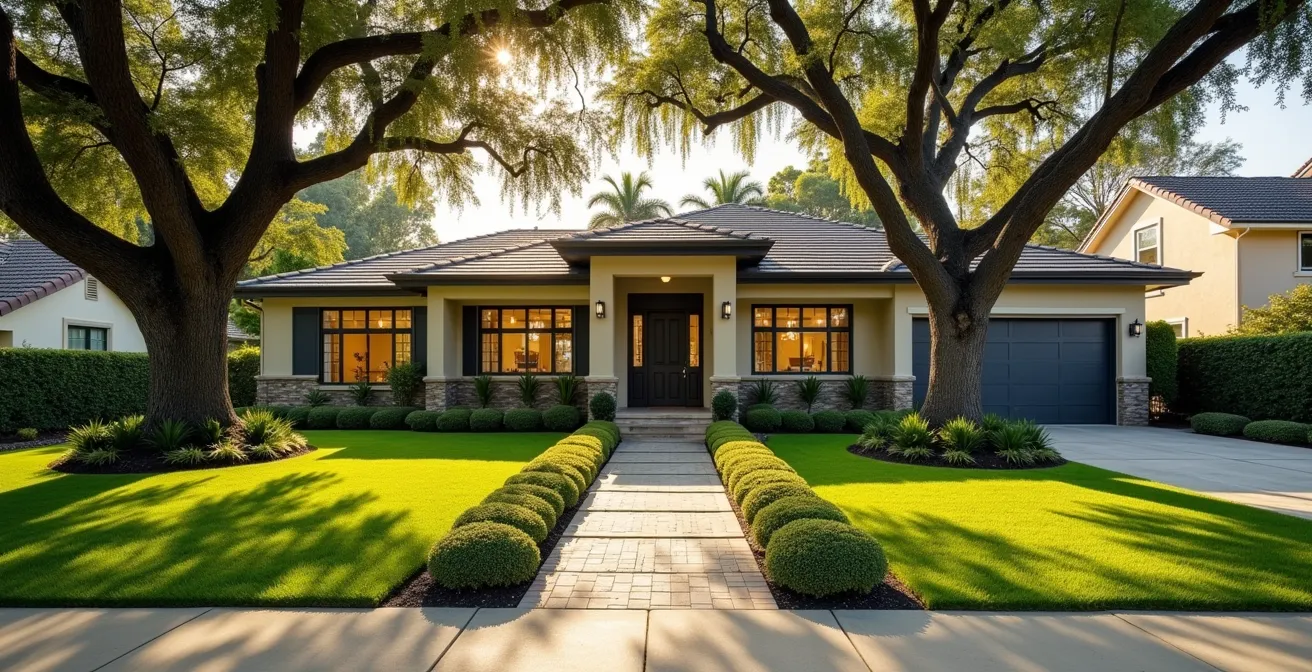
Prioritizing exterior upgrades based on proven return on investment is the most effective strategy to maximize your home’s final sale price.
- High-impact, low-cost changes like a strategically painted front door offer the highest and fastest financial returns.
- Investing in premium, durable materials like natural stone or pavers consistently increases appraised value more than cheaper, short-term alternatives.
Recommendation: Focus on projects that enhance architectural quality and signal long-term durability to both prospective buyers and professional appraisers.
When preparing to sell your home, the pressure to make it look its best can be overwhelming. The common advice often revolves around generic “curb appeal” improvements: plant some annuals, mow the lawn, add a fresh coat of paint. While these tasks are necessary, they rarely move the needle on your property’s final appraisal value. They are maintenance, not strategic investments. Many sellers spend thousands on elaborate gardens or trendy but flimsy materials, only to find these efforts don’t translate into a higher offer.
The core mistake is treating all exterior upgrades equally. The truth is, some improvements have a vastly disproportionate impact on how buyers perceive value and how appraisers calculate it. This is where a strategic, value-driven approach separates a good sale from a great one. The key isn’t just to make your home look nice; it’s to make specific, calculated choices that deliver a measurable return on investment (ROI).
This guide moves beyond the platitudes. We will dissect the exterior upgrades that consistently deliver the highest ROI by analyzing them through the lens of a real estate strategist. Instead of just telling you *what* to do, we’ll explain *why* a charcoal front door commands a premium, how mature trees act as a tangible asset, and why choosing the right paver is a more critical financial decision than you might think. We will explore the psychological triggers and economic principles that turn simple landscaping into a powerful tool for maximizing your home’s value.
This article will provide a clear roadmap, breaking down the most impactful exterior projects. Follow along to learn how to make smart, informed decisions that will directly contribute to a higher selling price.
Summary: A Strategic Guide to High-ROI Exterior Upgrades
- Why a Painted Front Door Delivers the Best Bang for Your Buck?
- The Value of Old Trees: Why Cutting Them Down Can Lower Property Price?
- Why Buyers Prefer ‘Neat and Tidy’ over ‘Exotic and Complex’ Gardens?
- Pavers vs Asphalt: Does Driveway Material Affect Appraisal?
- How to Stage Your Winter Garden to Look Inviting for Buyers?
- Why Cheap Laminate Costs You More in the Long Run Than Slate?
- How to Block the Neighbor’s View Without Building a Fortress?
- Stamped Concrete vs Natural Stone Pavers: Which Patio Surface Lasts Longer?
Why a Painted Front Door Delivers the Best Bang for Your Buck?
The single most potent, high-leverage investment you can make is at your home’s entry. A simple coat of paint on the front door, or a full replacement if needed, offers a return that far outweighs its cost. It’s the first physical interaction a buyer has with the property, setting a powerful first impression about the quality and care invested in the entire home. This isn’t just a cosmetic touch-up; it’s a psychological signal of value. For instance, replacing an old door with a new steel one can yield a staggering return, with the 2024 Cost vs. Value Report showing an ROI up to 188%.
The color choice itself is a critical financial decision. Neutral or dated colors blend in, but a bold, sophisticated choice makes a statement. A comprehensive analysis by Zillow found that homes with black or charcoal-gray front doors sold for an average of $6,271 more than expected. This premium wasn’t matched by any other color or room combination, proving that a well-chosen hue directly influences a buyer’s willingness to pay more. It conveys a sense of modern elegance and timeless security, attributes that buyers subconsciously project onto the rest of the house.
To fully capitalize on this effect, the door shouldn’t be treated in isolation. It’s the centerpiece of an “entryway package” that collectively signals quality. Upgrading the hardware, adding new lighting, and ensuring the surrounding area is pristine all work in concert to create an impression of a well-maintained, high-value property. This focused effort is the definition of a smart, strategic upgrade.
Action Plan: Your Complete Entryway Package Upgrade
- Choose a premium paint color like black, charcoal, or a deep navy blue for maximum ROI.
- Upgrade all door hardware, including new handles, a modern smart lock system, and a decorative kick plate.
- Consider adding architectural details such as sidelights or decorative glass inserts if the budget allows.
- Ensure the door has proper weatherstripping and insulation, and market it as an energy-efficient feature.
- Complete the look with new, stylish exterior lighting, a high-quality doormat, and flanking potted plants.
The Value of Old Trees: Why Cutting Them Down Can Lower Property Price?
While sellers often focus on adding new features, one of the most valuable assets may already be in the yard: mature trees. Homeowners sometimes view large trees as a liability—a source of leaves to rake or a potential hazard. However, from an appraiser’s and buyer’s perspective, they are a significant feature that adds measurable value. Removing a healthy, mature tree can be a costly mistake that actively lowers your property’s price. Nationwide surveys show that having large, well-placed trees on a property can increase home value by 7% to 19%.
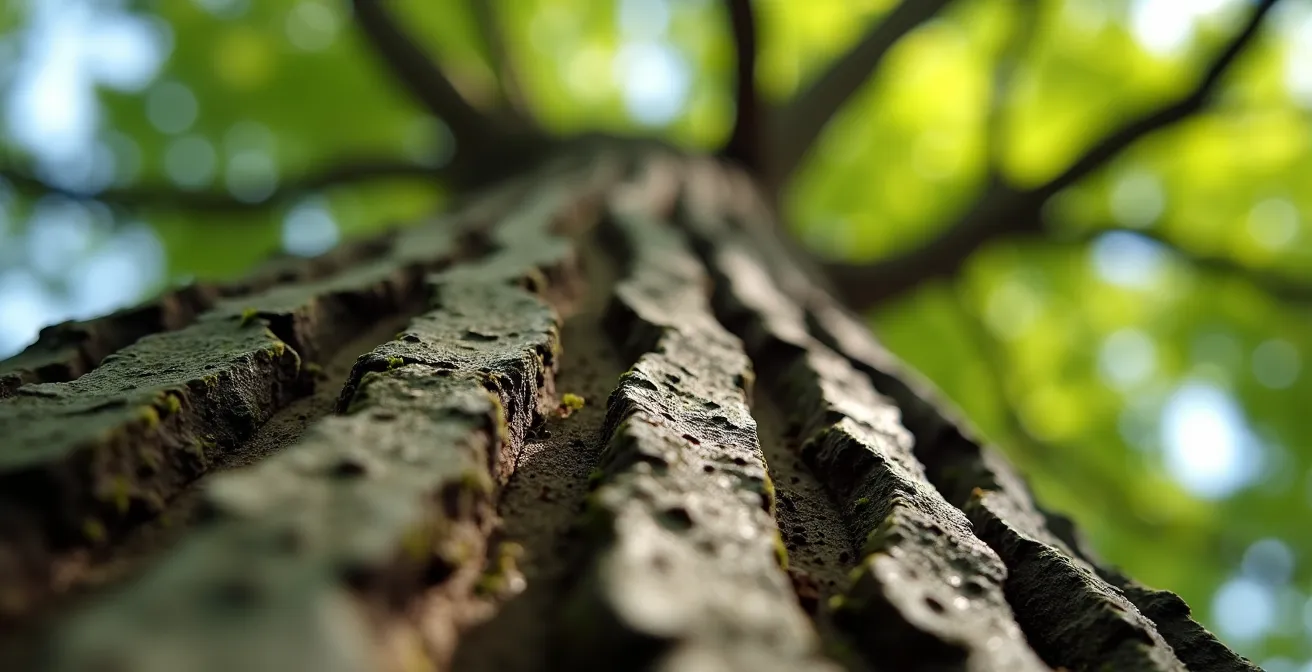
These trees offer tangible benefits that buyers are willing to pay for. They provide shade that can reduce summer cooling costs, act as a natural privacy screen, and add an irreplaceable sense of establishment and permanence to a property. A sapling planted today won’t offer these benefits for decades, making existing trees a premium, non-replicable feature. As one researcher from the University of Washington noted, the data is clear across multiple studies.
Homes with trees are generally preferred to comparable homes without trees, with the trend across studies being a price increase of about 7%.
– Kathleen Wolf, PhD, in Arborist News
Instead of seeing a mature tree as a problem, view it as a key selling point. The best strategy is to invest in its health and presentation. Have a professional arborist prune dead branches, shape the canopy to improve its appearance and safety, and ensure it’s healthy. Highlighting the tree’s benefits—such as energy savings and privacy—in your property listing can turn this natural feature into a quantifiable financial asset.
Why Buyers Prefer ‘Neat and Tidy’ over ‘Exotic and Complex’ Gardens?
Many sellers mistakenly believe that a complex, colorful garden filled with exotic plants will impress buyers. In reality, the opposite is often true. A highly personalized or intricate garden can be perceived as a high-maintenance burden. Potential buyers, imagining the hours of weeding, pruning, and specialized care required, may be deterred. The key to a high-ROI garden is not complexity, but impeccable neatness and a sense of low-maintenance appeal. It’s about creating a clean, structured, and serene outdoor space that looks easy to manage.
This “neat and tidy” approach delivers a surprisingly high return. According to the National Association of Realtors, basic landscape maintenance can deliver a 104% ROI. This includes fundamental tasks that create a polished look. Investing a weekend in defining lawn edges, applying a fresh layer of mulch, and pruning shrubs into clean shapes can have a greater financial impact than spending thousands on a new flowerbed. Mulch, in particular, is a powerhouse, as it suppresses weeds, unifies the look of garden beds, and provides a rich, clean backdrop for simple plantings.
To maximize appeal, simplify your plant palette. Instead of a dozen different species, stick to a cohesive selection of 3-5 types of hardy, attractive plants. This creates a sophisticated, intentional look that feels manageable. The goal is to present a vision of a peaceful outdoor retreat, not a demanding horticultural project. A clean slate is far more appealing to buyers who want to imagine their own lifestyle in the space, not inherit someone else’s hobby.
- Defined Lawn Edges: Use an edging tool to create crisp, clean lines between the lawn and garden beds.
- Fresh Mulch Layer: Apply a consistent 2-3 inch layer of dark brown or black mulch to all beds.
- Pruned Shrubs: Trim all shrubs to maintain simple, geometric shapes and remove any dead or overgrown branches.
- Weed-Free Beds: Thoroughly weed all garden areas to create a pristine appearance.
Pavers vs Asphalt: Does Driveway Material Affect Appraisal?
The driveway is more than just a place to park; it’s a major component of your home’s facade and a significant factor in appraisal value. While a cracked or stained driveway is an obvious detriment, the choice of material for a new or replacement driveway has profound long-term financial implications. Many sellers opt for asphalt due to its lower initial cost, but this is often a shortsighted decision. Premium materials like concrete or natural stone pavers are viewed by appraisers not just as a surface, but as a structural, architectural enhancement to the property.
A comprehensive analysis of home sales data confirms this. Properties with paver driveways consistently appraise 5-10% higher than comparable homes with standard asphalt. This premium stems from the perceived quality, durability, and design potential. Pavers can be matched to the home’s siding, roofing, or patio, creating a cohesive and upscale aesthetic that significantly boosts curb appeal and, consequently, the home’s value in an appraiser’s report. While asphalt requires frequent and costly sealing and patching, pavers offer a far superior lifespan and repair flexibility.
The following table breaks down the long-term value proposition, showing how the higher initial cost of pavers is offset by lower maintenance and a greater impact on your home’s equity. An appraiser will recognize the superior longevity and lower maintenance burden of pavers, factoring it directly into the valuation.
This comparative analysis clearly illustrates the long-term financial benefits of choosing a premium driveway material, as detailed in a recent home value guide.
| Material | Initial Cost/sq ft | Lifespan | Maintenance Cost | ROI Impact | Repair Flexibility |
|---|---|---|---|---|---|
| Concrete Pavers | $10-$30 | 30-50 years | Low ($200-500/decade) | +5-10% home value | Individual paver replacement |
| Asphalt | $3-$7 | 15-20 years | High ($1000-2000/decade) | +2-4% home value | Patch or full resurface only |
| Natural Stone | $15-$35 | 50+ years | Very Low ($100-300/decade) | +8-12% home value | Individual stone replacement |
How to Stage Your Winter Garden to Look Inviting for Buyers?
Selling a home in the off-season presents a unique challenge: how do you make a dormant, bare garden look appealing? A bleak and empty backyard can feel depressing and shrink the perceived living space of the home. However, with strategic staging, a winter garden can be transformed into a cozy and inviting asset that highlights the property’s year-round potential. The key is to shift focus from foliage to structure, lighting, and “lifestyle” vignettes.
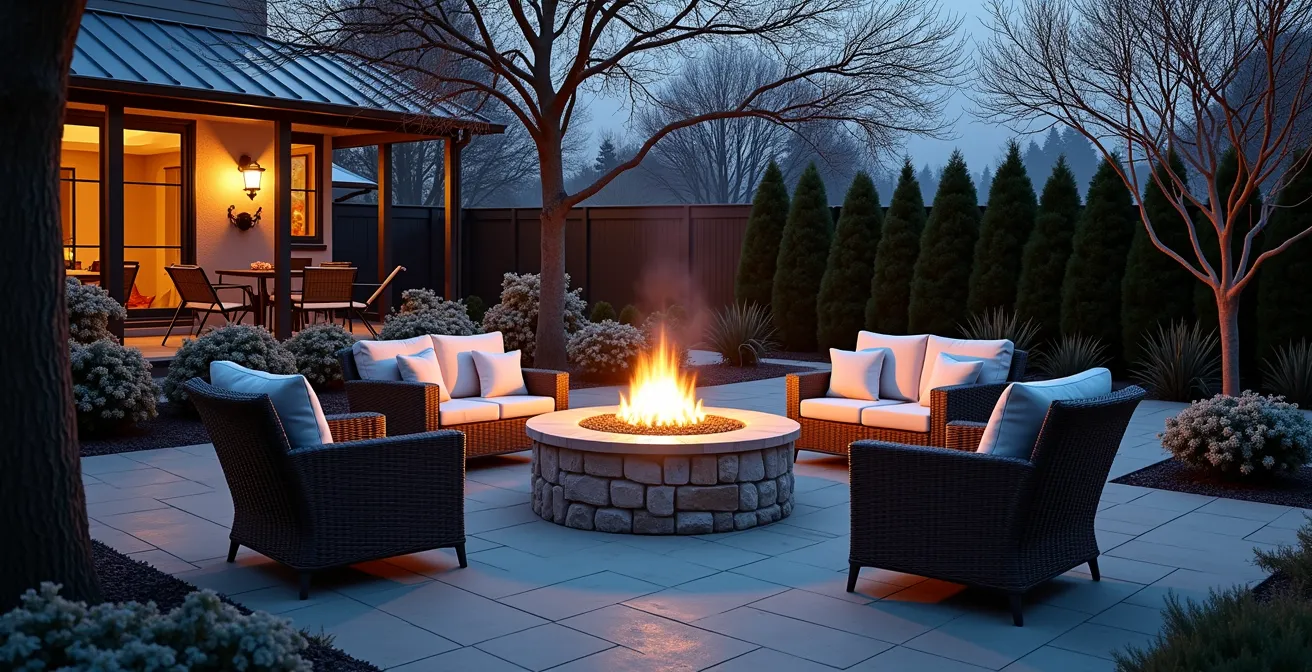
First, ensure all hardscaping is immaculate. With plants dormant, surfaces like patios, walkways, and walls become the main visual element. Pressure washing these areas to remove dirt and mildew is non-negotiable. Next, leverage lighting to create warmth and drama during the shorter daylight hours. Use uplighting on specimen trees with interesting bark or branching structure to create dramatic silhouettes. Stringing warm white bistro lights over a patio or seating area instantly creates an inviting, cafe-like ambiance.
Finally, create a scene that suggests cozy outdoor living. Arrange weatherproof outdoor furniture around a clean fire pit. Add inviting textures with outdoor-safe throws and pillows. This “staging” helps buyers envision themselves using the space even in cooler weather. Incorporating plants with winter interest is also a powerful strategy. The vibrant red stems of a Red Twig Dogwood, the bright berries on a Holly bush, or the steadfast green of boxwoods and other evergreens provide color and structure when everything else is bare. These touches show that the garden was designed with year-round beauty in mind, a sign of quality that buyers will notice.
Why Cheap Laminate Costs You More in the Long Run Than Slate?
When it comes to materials, whether for a patio, walkway, or even siding, the temptation to choose a cheaper option like laminate or composite is strong. The initial quote is lower, and the project seems more affordable. However, this is a classic example of a false economy. In real estate, perceived quality is paramount, and buyers and appraisers are adept at spotting shortcuts. Natural, durable materials like slate signal enduring quality and craftsmanship, while cheap imitations can lower the perceived value of the entire property.
This long-term cost is not just about perception; it’s about the tangible expenses of repair and replacement over time. The Total Cost of Ownership (TCO) for a cheaper material is often higher than the premium alternative once maintenance and inevitable replacements are factored in. As the data below shows, the initial savings on laminate are quickly erased by repair costs and the need for a full replacement within a decade, while slate endures with minimal upkeep.
In real estate, buyers pay a premium for genuine, natural materials. Slate signals enduring quality, while laminate or cheap composites can signal ‘shortcuts’ and lower the perceived quality of the entire home.
– Todd Tomalak, Zonda Advisory
This table, based on typical lifecycle costs, demonstrates how a premium material like slate can be the more financially sound choice over a 20-year period, not even counting its superior impact on resale value.
| Cost Factor | Cheap Laminate | Natural Slate |
|---|---|---|
| Initial Installation | $3,000 | $12,000 |
| Year 5 Repairs | $800 | $0 |
| Year 10 Replacement | $3,500 | $0 |
| Year 15 Repairs | $1,200 | $200 |
| Year 20 Replacement | $4,000 | $0 |
| 20-Year Total | $12,500 | $12,200 |
| Resale Value Impact | -5% | +10% |
How to Block the Neighbor’s View Without Building a Fortress?
Privacy is one of the most sought-after features in a home, and a lack of it can be a major deal-breaker. Being overlooked by neighbors can significantly decrease a property’s appeal and value. The common solution—a tall, solid fence—can solve the privacy issue but often creates another problem: the “fortress effect,” making the yard feel small, dark, and unwelcoming. The strategic approach is to create privacy through sophisticated layering, which feels natural and adds to the aesthetic value of the garden.
A layered strategy combines different elements at varying heights and depths to create an effective visual barrier that doesn’t feel like a solid wall. This approach creates a sense of psychological seclusion without sacrificing light and air. The key is to think in three dimensions. For example, a mid-height fence can serve as the structural backbone, while a staggered row of fast-growing evergreens like Thuja ‘Green Giant’ or Leyland Cypress planted in front of it adds height and a soft, natural texture. In front of the trees, a layer of ornamental grasses or container plants can add depth and seasonal interest.
Case Study: The Layered Privacy Strategy
A property in Northern Virginia successfully used a layered privacy approach to increase its home value by 12%. The design started with a 6-foot cedar fence, followed by staggered evergreen shrubs at varying heights, and finally, a foreground of ornamental grasses. This multi-depth design created a 15-foot deep privacy buffer that felt open and lush. Critically, the addition of a small water fountain provided acoustic privacy, masking neighborhood noise and creating a sense of tranquil seclusion that buyers valued at an estimated $15,000 premium over comparable homes.
This multi-sensory approach—blocking views and masking sounds—is what transforms a simple backyard into a private outdoor room. It’s an investment in lifestyle and tranquility, two qualities that command a high price in today’s market.
Key Takeaways
- Focus on High-Leverage Points: The front door and entryway offer the highest ROI for the lowest relative investment.
- Value Natural Assets: Mature trees are a significant financial asset. Do not remove them; invest in their health and presentation.
- Prioritize Durability and Quality: Premium, long-lasting materials (natural stone, pavers) are viewed as architectural upgrades and deliver a higher appraised value than their cheaper counterparts.
Stamped Concrete vs Natural Stone Pavers: Which Patio Surface Lasts Longer?
The patio is the heart of the outdoor living space, an area that can significantly expand the usable square footage of your home. A quality patio is a major selling point, with real estate experts reporting that smart landscape design, including patios, can yield an ROI of 200-400%. However, just as with driveways, the choice of material is a critical decision that impacts both immediate appeal and long-term value. The common debate pits stamped concrete against natural stone pavers, and while stamped concrete can mimic the look of stone for a lower initial cost, it falls short in the most crucial metric: longevity.
Natural stone pavers have a lifespan that is often measured in generations, not years, frequently lasting 50 to 100+ years. Stamped concrete, a rigid slab, is highly susceptible to cracking from freeze-thaw cycles or ground settlement. A crack in a concrete slab is a significant, costly repair that almost always leaves a visible patch. In contrast, a paver patio is a flexible system of interlocking units. If a single paver is damaged, it can be lifted and replaced for a minimal cost, leaving no trace of the repair. This inherent serviceability is a huge value proposition.
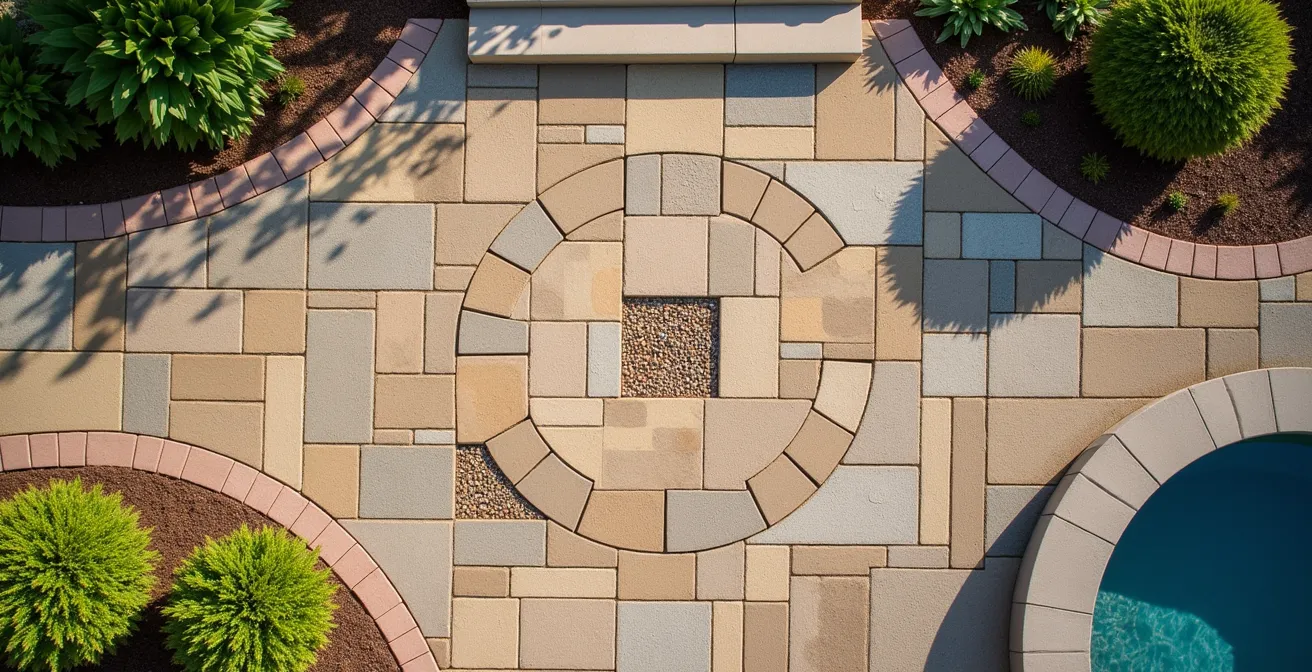
Over a decade, a stamped concrete patio will likely show visible wear, fading color, and potentially several hairline or major cracks. A natural stone paver patio, on the other hand, will develop an attractive patina, its character enhancing with age. This is the fundamental difference: one material degrades, while the other matures. Buyers and appraisers recognize this. Stamped concrete is perceived as a mid-range finish, while natural stone is universally seen as a premium, authentic material that elevates the entire property. This perception of lasting quality is precisely what justifies a higher home value.
By shifting your perspective from simple “curb appeal” to strategic, ROI-driven investments, you can transform your home’s exterior from an expense into a powerful financial asset. Start today by evaluating your property through this lens and identifying the targeted upgrades that will deliver the greatest return when it’s time to sell.