Renovation & Construction
Embarking on a renovation or construction project represents one of the most significant investments you’ll make in your home. Whether you’re updating a single room, adding an extension, or building from the ground up, the decisions you make today will impact your daily comfort, energy costs, and property value for decades to come. The difference between a successful project and a costly disappointment often lies not in the budget, but in understanding the fundamental principles that govern how buildings perform.
Modern renovation and construction demands a holistic approach that balances structural integrity, spatial efficiency, material durability, and building systems integration. This means looking beyond surface aesthetics to understand how your home’s foundation supports loads, how light moves through spaces, why certain materials outlast others, and how climate control systems affect both comfort and operating costs. The following sections will equip you with the essential knowledge to make informed decisions at every stage of your project.
Why Structural Assessment Must Come First
Before selecting paint colors or choosing fixtures, understanding your home’s structural health is non-negotiable. Think of it like diagnosing a patient before prescribing treatment—cosmetic changes applied over structural problems simply mask issues that will resurface, often with compounded damage and cost.
Reading the Warning Signs
Foundation settling manifests in subtle ways: hairline cracks above door frames, windows that suddenly stick, or floors that feel slightly uneven. These aren’t merely cosmetic annoyances—they’re your home communicating structural movement. Similarly, water damage leaves fingerprints: discolored ceiling patches, musty odors in basements, or exterior paint that bubbles and peels. Each symptom points to underlying issues that compromise structural integrity if left unaddressed.
Understanding Load Transfer
Every home is essentially a load-bearing puzzle where weight transfers from the roof through walls and beams down to the foundation and soil beneath. Removing a wall without understanding whether it bears structural load can trigger catastrophic failure. Professional assessment involves beam sizing calculations that account for span distances and load requirements, ensuring any modification maintains the integrity of this transfer system. Soil testing becomes critical when adding extensions, as different soil compositions support weight differently—what works for sandy soil fails in clay-heavy ground.
When Professional Validation Becomes Essential
Structural reports contain specific terminology and calculations that inform safe renovation decisions. While some projects allow for DIY enthusiasm, structural modifications require engineers who understand building codes and can certify that changes won’t compromise safety. This isn’t bureaucratic red tape—it’s the difference between a modification that lasts and one that creates liability.
Mastering Space Planning and Layout Flow
Space efficiency isn’t about cramming more furniture into a room—it’s about understanding how layout influences both function and psychological comfort. This becomes especially critical in small urban environments where every square foot carries premium value.
The Psychology of Layout and Perceived Space
Interestingly, physical room dimensions tell only part of the story. A 200-square-foot room can feel spacious or cramped depending entirely on layout decisions. Clean lines and unobstructed sightlines create visual continuity that tricks the eye into perceiving more space. Conversely, even large rooms feel cluttered when furniture blocks natural pathways or creates isolated pockets that can’t be functionally used.
Creating Functional Zones Without Walls
Modern living increasingly demands flexible spaces that serve multiple purposes. The key lies in creating distinct zones within a single room without physical barriers that fragment space. This involves strategic furniture placement, lighting changes that define areas, and careful scale selection—oversized furniture in a small room doesn’t just look awkward, it fundamentally disrupts circulation patterns and makes spaces feel oppressive.
Planning Vertical Usage
When floor space reaches its limit, thinking vertically unlocks hidden potential. Wall-mounted storage, high shelving that draws the eye upward, and strategic use of height creates functional storage while actually making rooms feel larger by emphasizing ceiling height. This approach proves particularly valuable in urban apartments where vertical optimization can effectively double usable storage without sacrificing living area.
Material Selection: Balancing Durability and Design
The materials you choose for high-traffic areas will either reward you with years of trouble-free performance or punish you with constant maintenance and premature replacement. Understanding the true cost means looking beyond initial price tags to lifespan and upkeep requirements.
The Cost-Per-Wear Philosophy
A tile that costs twice as much but lasts three times longer represents genuine value. This cost-per-wear analysis should guide material selection in areas that experience heavy use—entryways, kitchens, and bathrooms. Testing durability involves understanding wear ratings, water absorption rates, and scratch resistance. For flooring, textured surfaces offer practical advantages: they hide minor wear, provide slip resistance in wet areas, and often age more gracefully than perfectly smooth finishes.
Water Resistance and Sealing Requirements
Water remains the silent destroyer in home construction. Materials marketed as water-resistant vary dramatically in actual performance. Grout, for instance, is porous by nature and requires regular sealing to prevent moisture infiltration that leads to mold and structural damage. Understanding sealing schedules—typically annually for high-moisture areas—prevents the exponential cost of water damage repair. When comparing materials, prioritize those with proven water resistance in your specific application rather than those that simply look appealing in showrooms.
The Reality of Exposed Wood
Exposed structural wood creates stunning visual impact in modern builds, but brings specific maintenance requirements. Wood movement—expansion and contraction with humidity changes—is inevitable. Proper installation accounts for this movement through strategic joining methods that allow flex rather than fighting natural processes. Additionally, exposed wood in climate-controlled spaces requires different treatment than exterior applications, and understanding insulation integration ensures you’re not sacrificing energy efficiency for aesthetics.
Lighting Design: Layering for Function and Atmosphere
Lighting represents one of the most underestimated aspects of renovation, yet it fundamentally shapes how spaces feel and function. The goal isn’t simply brightness—it’s creating adaptable environments through layered light sources.
Maximizing Natural Light Intake
Natural light offers benefits no artificial source can replicate: it supports circadian rhythms, reduces energy costs, and makes spaces feel connected to the outdoors. During construction or renovation, window placement and size dramatically impact light penetration. South-facing windows (in the northern hemisphere) provide consistent daylight, while strategic skylights bring light deep into floor plans where exterior windows can’t reach.
Smart Systems and Layered Artificial Lighting
Effective artificial lighting combines ambient (general), task (focused), and accent (decorative) sources. This layering allows adjustment for different activities—bright task lighting for cooking, softer ambient lighting for dining. Smart control compatibility enables programming these layers for different scenarios. However, over-lighting creates its own problems: glare, excessive energy consumption, and spaces that feel sterile rather than welcoming. The key is providing sufficient light while maintaining control over intensity and color temperature.
Retrofitting Challenges
Adding sophisticated lighting to existing structures presents obstacles that new construction avoids. Running new electrical lines through finished walls, accessing ceiling cavities, and integrating modern fixtures with older electrical systems requires careful planning. Sometimes the most elegant solution involves surface-mounted conduit or wireless smart bulbs rather than invasive rewiring that damages finishes.
Climate Control: Health, Comfort, and Efficiency
Modern HVAC systems do far more than heat and cool—they manage air quality, humidity levels, and energy consumption. Upgrading climate control during renovation offers opportunities that later retrofitting can’t match.
The Air Quality Dimension
Indoor air quality directly impacts health, particularly for individuals with respiratory sensitivities. Modern systems integrate filtration that captures particulates, allergens, and even volatile organic compounds. When planning HVAC upgrades, air quality improvement should carry equal weight with temperature control. This involves proper ventilation that exchanges stale indoor air with fresh outdoor air without sacrificing energy efficiency.
Zoning for Efficiency and Comfort
Single-zone systems heat or cool entire homes uniformly, wasting energy on unused spaces. Zoning technology creates independent climate control for different areas, allowing you to maintain comfortable temperatures in occupied spaces while reducing conditioning in guest rooms or storage areas. This targeted approach can reduce energy costs by twenty to thirty percent while actually improving comfort in primary living areas.
Heat Pump Technology and Sizing Methodology
Heat pumps have evolved dramatically, now providing efficient heating and cooling even in cold climates. However, improper sizing undermines performance—oversized units cycle on and off too frequently, while undersized systems run constantly without achieving desired temperatures. Professional sizing methodology accounts for insulation levels, window efficiency, air leakage, and local climate data to match equipment capacity to actual building needs.
Window Technology: The Thermal Envelope
Windows represent the weakest point in your home’s thermal envelope, accounting for significant heat loss in winter and heat gain in summer. Understanding glazing technology transforms windows from liability to asset.
Decoding U-Factor and Low-E Coatings
The U-factor measures heat transfer—lower numbers indicate better insulation. While single-pane windows might have U-factors around 1.0, modern triple-pane units achieve 0.2 or below. Low-E (low-emissivity) coatings are microscopically thin metallic layers that reflect infrared light, keeping heat inside during winter and outside during summer. Different Low-E formulations optimize for heating-dominated versus cooling-dominated climates, making selection dependent on your specific location.
Frame Materials and Gas Fill Longevity
Window frames contribute substantially to overall thermal performance. Vinyl offers good insulation at moderate cost, fiberglass provides superior strength and insulation, while aluminum—though durable—conducts heat readily unless designed with thermal breaks. Double and triple-pane windows contain inert gas (argon or krypton) between panes for additional insulation. However, seals can fail over time, allowing gas to escape and condensation to form between panes. Quality manufacturing and proper installation extend gas fill longevity, typically lasting twenty years or more in premium units.
Installation Failure Modes
Even the best window performs poorly if incorrectly installed. Common failure points include inadequate air sealing around frames, improper flashing that allows water infiltration, and structural issues where window openings weren’t properly sized. These installation errors often don’t manifest immediately—they reveal themselves gradually through drafts, water stains, and energy bills that don’t match expectations.
Building Additions: Architectural Continuity
Adding space to existing structures presents unique challenges—the new construction must integrate seamlessly with original architecture while meeting modern building standards that may not have existed when the home was built.
Roofline and Floor Level Integration
Successful additions maintain roofline continuity so the expansion appears intentional rather than tacked on. This requires careful attention to roof pitch, overhang depth, and material matching. Similarly, floor level continuity between existing and new spaces prevents awkward steps and maintains visual flow. Sometimes existing floor heights don’t align with modern standards, requiring creative transitions or foundation adjustments to create seamless connections.
Transition Zones and Material Sourcing
Where old meets new, transition zones require particular attention. These thresholds must handle different materials expanding at different rates, potential settling in new construction, and maintaining weatherproofing at vulnerable joints. When matching existing materials, sourcing reclaimed elements from architectural salvage suppliers often provides better visual consistency than new materials that haven’t acquired the patina of age. This approach also adds character while supporting sustainable building practices.
Successful renovation and construction rests on understanding that every decision connects to others—structural choices influence layout possibilities, material selections impact maintenance requirements, and building systems affect both comfort and operating costs. By approaching projects with this holistic perspective, prioritizing structural integrity, and making informed decisions about materials and systems, you create spaces that don’t just look beautiful but perform reliably for decades. Each topic explored here deserves deeper investigation based on your specific project needs, but these foundational principles will guide you toward choices that balance immediate goals with long-term satisfaction.

Triple Pane vs Double Pane: Is the Extra Cost Worth It for Moderate Climates?
For moderate climates, the performance gain from triple-pane windows often provides diminishing returns unless the entire window system—frame, coatings, and installation—is optimized. The U-Factor, not R-Value, is the critical metric for window thermal performance, and it’s heavily influenced by the…
Read more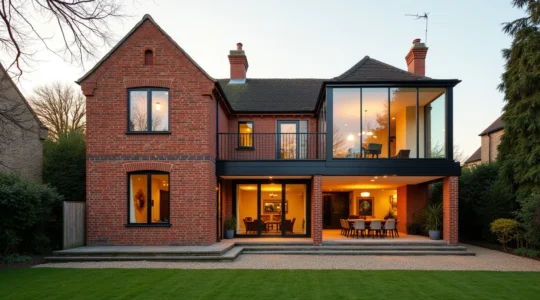
Seamless Home Extensions: How to Match New Brickwork to an Old House
The fear of a home extension looking like a mismatched, ‘bolted-on’ afterthought is a common concern for homeowners. The solution lies beyond simply matching materials. True architectural integration is an art of illusion, focusing on the subtle yet critical transitions…
Read more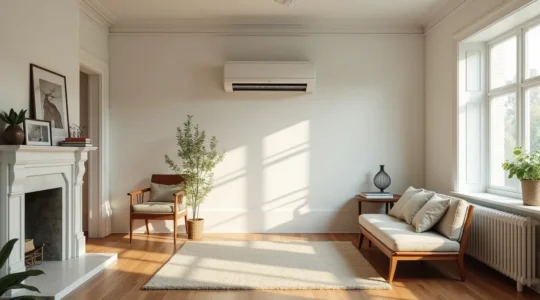
Ducted vs Ductless HVAC Systems: Which Is Better for Older Homes?
The best HVAC system for an older home is not about ducted vs. ductless; it’s about creating a holistic comfort ecosystem that respects the building’s integrity while maximizing efficiency. Ductless systems offer superior zone control and avoid the energy loss…
Read more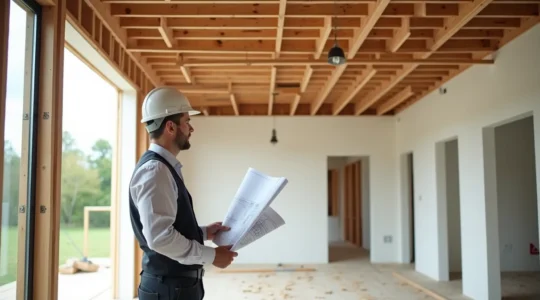
When to Hire a Structural Engineer: A Guide for Wall Removal Projects
Contrary to popular belief, the decision to hire a structural engineer isn’t just about whether a wall is “load-bearing”; it’s about understanding how removing *any* wall disrupts your home’s entire structural system. Even non-load-bearing walls can provide critical lateral stability…
Read more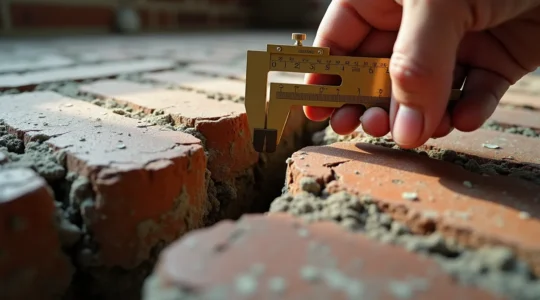
Structural Integrity: How to Spot Dangerous Cracks Before Buying a Fixer-Upper?
The most dangerous flaw in a fixer-upper isn’t the one you can see, but the one you misinterpret. Superficial cracks are common; stair-step cracks tracking mortar lines signal active, costly foundation movement. Upgrades to kitchens or baths can void ‘grandfathered’…
Read more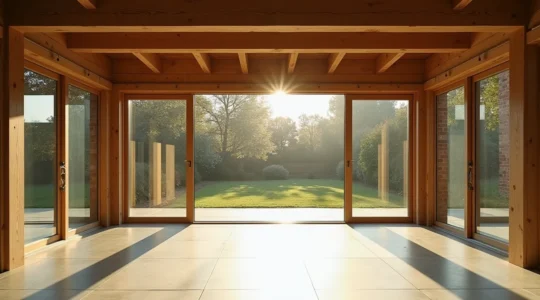
Green Oak vs. Kiln-Dried: Choosing the Soul of Your Modern Timber Extension
The best timber frame choice depends on embracing a philosophy: kiln-dried offers predictable precision, while green oak provides a living structure that gains character over centuries. Green oak’s initial movement (shrinkage and cracking) is a feature that tightens traditional joints,…
Read more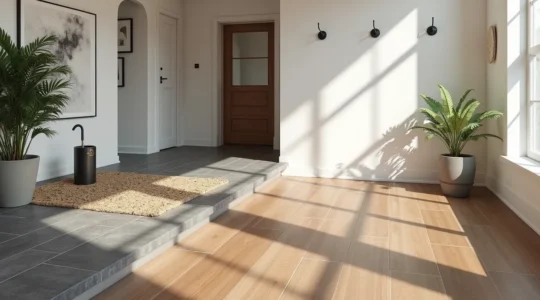
Which Interior Materials Offer the Best Durability for High-Traffic Entryways?
The most durable entryway flooring is not the hardest material, but the one with the lowest Total Cost of Ownership (TCO) once you factor in replacement, maintenance, and system failure. Scientific metrics like DCOF (slip resistance) and AC ratings (laminate…
Read more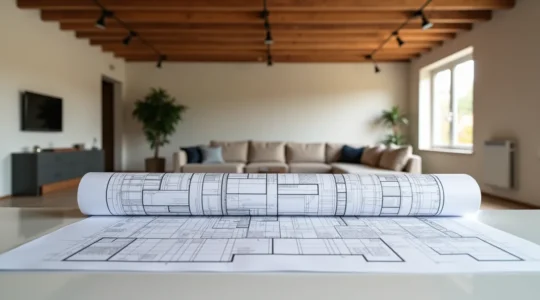
Lighting Fixtures and Integration: How to Plan Circuits for a Smart Home Renovation?
True smart lighting performance depends on intelligent circuit design behind the wall, not just the brand of bulb you screw in. Monolithic, single-switch circuits are a primary source of energy waste; granular control is key. Local-control protocols like Zigbee or…
Read more
Textured vs. Smooth Flooring: A Safety Consultant’s Guide for Homes with Toddlers
Contrary to popular belief, choosing textured flooring for its slip-resistance is only the first step; true safety lies in understanding its lifecycle trade-offs. Smooth, glossy floors pose a significant fall risk in wet areas, failing to meet crucial safety standards…
Read more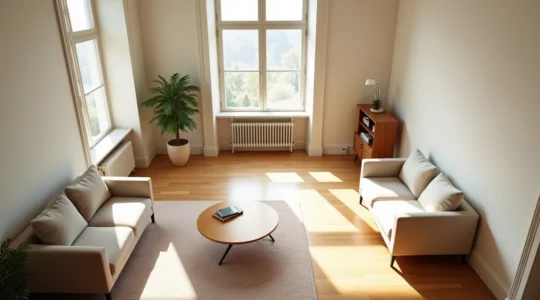
How to Design Smart Layouts for Small Urban Apartments Under 600 Sq Ft?
The secret to a functional small apartment isn’t finding smaller furniture; it’s applying urban planning principles of flow and zoning to guide movement and perception. Effective layouts prioritize clear circulation paths, making a space feel intuitive and larger than its…
Read more