Home and Interior
The way we design and experience our living spaces has evolved dramatically, moving away from compartmentalized rooms toward flowing, multifunctional environments. Home and interior design today balances openness with intimacy, simplicity with warmth, and raw authenticity with livable comfort. Whether you’re considering removing walls, embracing minimalist principles, or wondering how to make concrete and steel feel welcoming, understanding these fundamental concepts will transform how you approach your space.
This exploration covers the essential pillars of contemporary interior design: the philosophy and practicalities of open living, techniques for creating zones without barriers, the principles of minimalist organization, and the art of selecting and balancing materials to craft atmospheres that serve both aesthetic ambitions and daily life. Each decision you make about layout, furnishings, and finishes shapes not just how your home looks, but how it feels to live in every single day.
Open Plan Living: Philosophy and Practical Realities
Open plan design emerged as a reaction to the rigid, divided homes of previous generations, promising enhanced social connection, natural light penetration, and spatial flexibility. The concept removes traditional barriers between kitchen, dining, and living areas, creating one continuous zone that adapts to various activities throughout the day.
However, the reality is more nuanced than the aspirational images suggest. Completely open layouts present challenges that many homeowners discover only after construction: cooking smells permeate living areas, kitchen clutter remains perpetually visible, and the lack of acoustic separation means television noise competes with dinner conversation. Heating and cooling efficiency often suffers when attempting to condition one large volume rather than smaller, contained rooms.
This has given rise to the broken plan approach—a middle ground that preserves visual and social connection while reintroducing strategic separation. Half-walls, sliding partitions, level changes, or strategically positioned storage units maintain flow while providing practical boundaries. Think of it as conversation between spaces rather than shouting across one vast room. Evaluating which approach suits your household requires honest assessment of how you actually live: Do you entertain frequently? Does anyone work from home requiring acoustic privacy? How much kitchen mess can you tolerate in your sightline during relaxation time?
Defining Zones Without Walls
Once you’ve committed to open or semi-open living, the challenge becomes creating functional distinction without physical barriers. This is where thoughtful design techniques replace drywall and doors.
Lighting as a Spatial Divider
Different lighting zones powerfully signal functional transitions. Pendant lights suspended over a dining table create a defined gathering spot, while recessed lighting in the kitchen establishes that as a working zone. Floor lamps or wall sconces in the living area suggest relaxation and intimacy. This layered approach allows each zone to operate independently—you can illuminate the kitchen for late-night tasks while keeping the living area dim for watching films—yet the spaces remain visually connected.
Flooring Transitions and Material Boundaries
The surface beneath your feet sends powerful subconscious signals about spatial function. Transitioning from tile in the kitchen to hardwood in dining areas, or introducing a substantial area rug to anchor the living zone, creates perceived boundaries without obstructing sightlines. These material shifts also serve practical purposes: hard, wipeable surfaces where spills occur, softer materials where comfort matters, and acoustic-absorbing textures where noise control is priority.
Psychological Boundaries and Activity Sequencing
Humans possess an inherent psychological need for territorial definition, even in shared spaces. Furniture arrangement that creates implied boundaries—a sofa positioned perpendicular to the kitchen rather than facing it, a console table behind seating that suggests a threshold—satisfies this need without physical walls. Sequencing activities through thoughtful layout means positioning the messiest functions (cooking, children’s play) farthest from relaxation zones, creating a natural progression through the space that minimizes visual and sensory conflicts.
Navigating the Practical Challenges of Open Layouts
Beyond the philosophical appeal, open living presents concrete challenges that require strategic solutions rather than wishful thinking.
Acoustic issues rank among the most commonly regretted aspects. Sound travels unimpeded, meaning simultaneous activities conflict: children’s homework happens amid dinner preparation noise, telephone conversations compete with kitchen appliances, and footsteps echo across hard surfaces. Introducing textile elements (discussed later), strategically placed bookcases, and acoustic panels disguised as artwork can mitigate these issues without compromising the open aesthetic.
Temperature regulation becomes more complex when heating or cooling one large volume. Hot air naturally rises and migrates, meaning your kitchen may be sweltering while the far corner remains cool. Zone heating systems, ceiling fans to encourage circulation, and thoughtful placement of heating sources relative to seating areas help manage these challenges. Consider how winter preparation differs in open spaces—you cannot simply close off unused rooms to conserve energy.
The visibility of kitchen mess and migrating smells represents perhaps the most aesthetically frustrating aspect. That stack of dirty dishes or food preparation chaos remains in view during relaxation time. Powerful ventilation becomes non-negotiable, as does disciplined cleaning habits or strategic screening elements. The structural costs of opening up existing homes often surprise homeowners: removing load-bearing walls requires steel beams, engineering assessments, and permits that can substantially increase renovation budgets compared to initial estimates.
Minimalist Living: Organization and Mental Clarity
Minimalism in home interiors extends beyond aesthetic preference—it represents a deliberate approach to reducing visual noise and the mental burden of excess possessions.
The mental impact of visual clutter is well-documented: our brains process every visible object in our environment, creating low-level cognitive load that accumulates throughout the day. Open shelving filled with mismatched items, countertops crowded with appliances, and visible storage chaos all contribute to ambient stress that many people attribute to other sources. Decluttering for peace isn’t about deprivation—it’s about curating what remains visible to reduce this mental taxation.
Decluttering minimalist spaces invisibly requires strategic storage that conceals while remaining accessible. This differs from simply owning less; it recognizes that functional homes contain tools, supplies, and seasonal items that need not be perpetually visible. Built-in cabinetry with clean fronts, furniture with integrated storage, and dedicated systems for daily-use items prevent the gradual creep of visual disorder.
Utilizing Dead Space and Multi-Function Furniture
Minimalist design demands efficiency, making every square foot justify its existence. Dead space under stairs, awkward corners, or the vertical zone above eye level represents opportunities for concealed storage. Furniture with function—ottomans containing blanket storage, beds with integrated drawers, coffee tables with hidden compartments—allows you to maintain a clear visual field while accommodating practical needs.
Accessibility and Organization Systems
Minimalism fails when it creates accessibility issues that make daily life harder rather than easier. Items used frequently must be readily accessible, which is why effective labeling systems for concealed storage become crucial. Clear labels, consistent categorization, and logical placement ensure that visual simplicity doesn’t come at the cost of constantly searching for basic necessities. This is especially important in households with varying abilities or ages—what’s intuitive to one person may be opaque to another.
Creating Warmth in Modern Interiors
The risk accompanying minimalist and contemporary design is sterility—spaces that feel more like galleries than homes. Countering this requires deliberate warmth creation through material selection and atmospheric elements.
The psychology of Hygge, the Danish concept of cozy contentment, offers valuable lessons applicable beyond Scandinavian contexts. It emphasizes ambient lighting over harsh overhead illumination, natural materials over synthetic, and layers of texture that invite touch. Creating warmth in stark environments doesn’t mean abandoning clean lines; it means introducing strategic softness through textiles, varied lighting temperatures, and organic elements.
Wood tone selection dramatically influences perceived warmth. Honey and amber tones read as welcoming and traditional, while cooler grays and whites feel contemporary but potentially cold. The grain pattern, finish sheen, and proportion of wood to other materials all contribute to the overall emotional temperature of a space. In predominantly white or concrete environments, even small percentages of warm wood—a dining table, floating shelves, or picture frames—substantially shift the atmosphere.
Avoiding sterility risk requires attention to the ratio of hard to soft surfaces, cold to warm materials, and reflective to absorptive textures. A room dominated by glass, metal, and stone needs counterbalancing with wool, linen, leather, and wood. Think of it as composing a visual temperature: too far in either direction creates discomfort, but the right balance feels instinctively right.
Working With Raw Materials
The appeal of raw materials—exposed brick, concrete, steel beams, unfinished wood—lies in their honesty and character. They tell stories of how buildings are constructed and age, offering textural richness that smooth, finished surfaces cannot match.
However, softening raw elements for family living acknowledges that these materials can feel harsh, especially in spaces serving daily domestic life rather than commercial or hospitality functions. Exposed concrete floors are striking but unforgiving underfoot and acoustically reflective. Steel and industrial metals feel cold to touch, particularly problematic in climates with genuine winters. Maintaining exposed surfaces often proves more demanding than anticipated—brick requires sealing, raw wood needs periodic treatment, and metal develops patina that some embrace and others resist.
Balancing Cold Metals and Acoustic Management
Balancing cold metals with warmer materials prevents industrial spaces from feeling unwelcoming. Pairing steel-framed furniture with upholstered cushions, combining metal light fixtures with fabric shades, or positioning metal shelving against warm-toned walls creates visual and tactile dialogue rather than dominance by any single material.
The acoustic challenges inherent in hard, raw materials cannot be overstated. Sound bounces off concrete, brick, and metal with little absorption, creating echo and reverberation that makes spaces feel loud and chaotic. This compounds when combined with open layouts, potentially creating genuinely unpleasant sonic environments.
Textile Softening Strategies
Introducing textiles becomes essential rather than decorative in raw material environments. Area rugs, upholstered furniture, curtains or drapes, throw blankets, and cushions all absorb sound while adding necessary softness. The key is proportion: in a predominantly hard-surfaced room, textiles should occupy significant visual and physical space. Consider layering rugs, using substantial window treatments, and selecting upholstered pieces with generous proportions rather than minimal, hard-edged furniture that echoes the architectural austerity.
Understanding these fundamental aspects of home and interior design—from the practicalities of open living to the atmospheric effects of material choices—empowers you to make decisions aligned with how you actually live rather than how aspirational imagery suggests you should. Each home presents unique challenges and opportunities, and the most successful interiors emerge from honest assessment of daily patterns, sensory preferences, and the balance between aesthetic vision and functional reality.
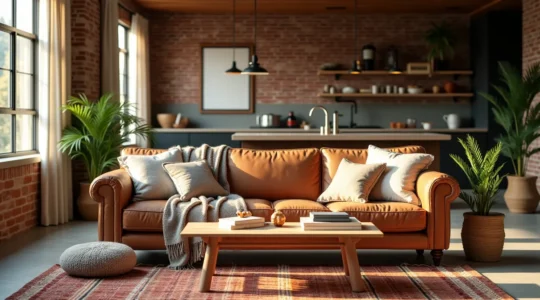
How to Soften Modern Industrial Interior Schemes for a Cozy Family Atmosphere?
Contrary to popular belief, softening an industrial home isn’t about hiding its raw character, but about choreographing a sensory dialogue between hard and soft elements. Embrace materials like brick and wood not just for their look, but for their ability…
Read more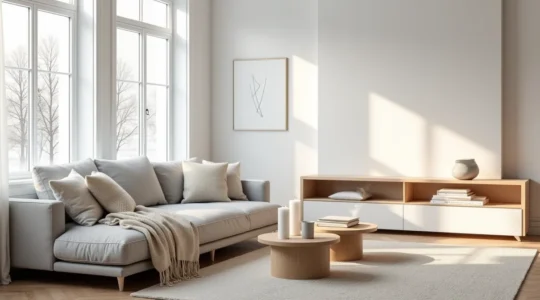
Minimalist Scandi: How to Achieve the Hygge Feeling in a Cold Climate Home?
Contrary to popular belief, achieving hygge isn’t about adding clutter with cozy objects. The real key lies in a deliberate sensory strategy. It uses the psychology of light, a hierarchy of textures, and meaningful stories to consciously transform the potential…
Read more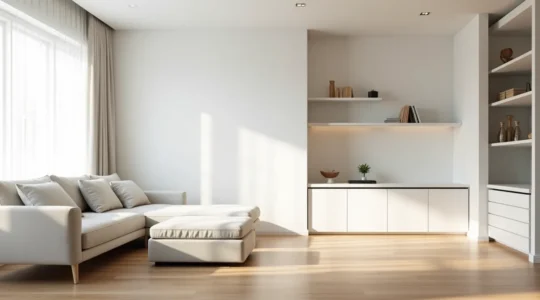
How to Implement Hidden Storage Solutions in Minimalist Interiors Without Renovation?
In summary: Visible clutter isn’t just an eyesore; it’s a scientifically-proven source of stress. The solution isn’t just hiding items, but building ruthless, invisible systems. Treat every dead space—like under your bed or inside an ottoman—as a high-value asset that…
Read more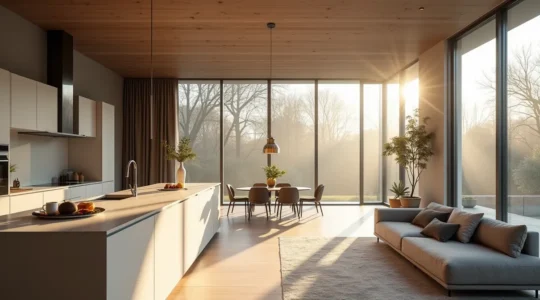
Why Do Open-Plan Areas Sometimes Decrease Home Value and Comfort?
From a real estate appraiser’s perspective, an ill-conceived open-plan renovation often becomes a financial liability, not an asset. It frequently introduces unforeseen structural weaknesses, even when removing non-load-bearing walls. It can lead to significantly higher energy bills and fails basic…
Read more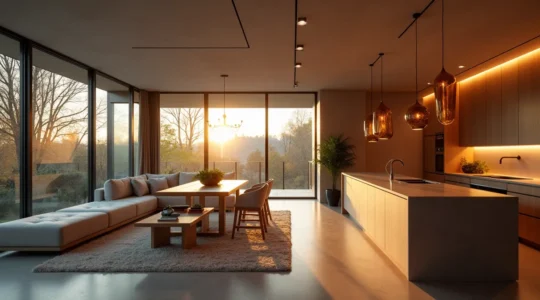
Zoning Strategies: How to Define Spaces in an Open Plan Without Building Walls?
Defining spaces in an open plan isn’t about physical barriers; it’s about creating subconscious sensory cues that reduce stress and restore order. Effective zoning relies on layered lighting and varied color temperatures to create ‘rooms of light’. Leveraging acoustic materials…
Read more